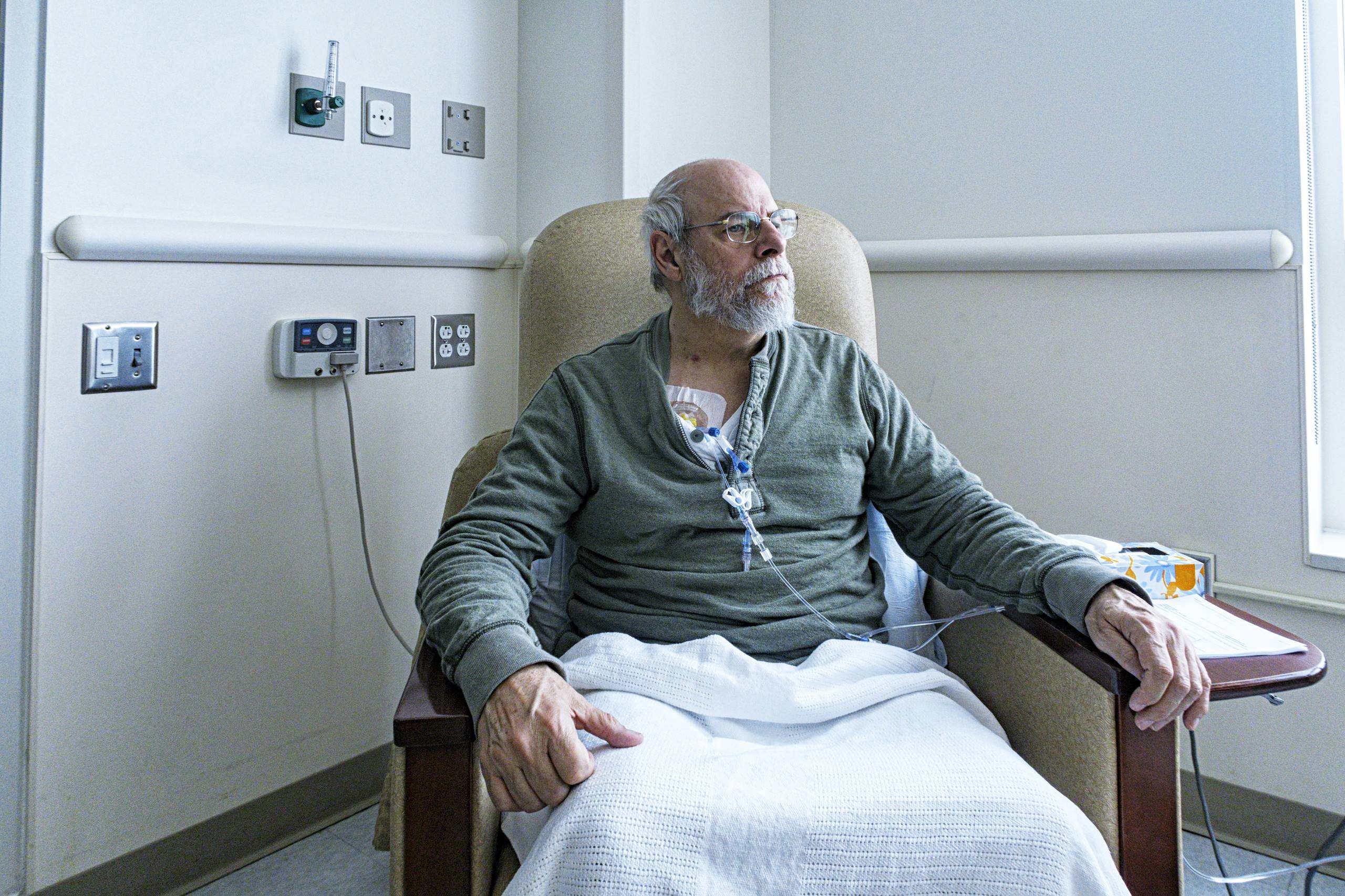
Wisner Baum is currently investigating claims involving AngioDynamics and its subsidiary, Navilyst Medical, regarding implantable port catheter devices. Patients who have experienced serious complications involving one of these devices may qualify for a free, confidential case evaluation. Call us at (310) 207-3233 to discuss your legal options.
AngioDynamics Port Catheter Lawsuit Updates
October 2026: 439 Pending Cases in AngioDynamics Port Catheter MDL
The AngioDynamics Port Catheter MDL, pending in the Southern District of California, added 11 cases since last month, bringing the total to 439 pending actions. Plaintiffs in MDL-3125 allege that AngioDynamics and Navilyst Medical port catheter products caused or contributed to injuries including infection, pulmonary embolism, and thrombosis.
September 2026: 428 Pending Actions in AngioDynamics Port Catheter MDL
The AngioDynamics Port Catheter MDL stands at 428 cases as of September 2026. Plaintiffs allege issues involving AngioDynamics Smart Port devices, including that the devices may fracture or migrate, potentially resulting in complications.
August 2026: Candidates Selected for Initial Bellwether Pool in AngioDynamics Port Catheter MDL
An initial bellwether pool has been selected in the AngioDynamics Smart Port Catheter MDL, which is being heard in the Southern District of California. Bellwether trial dates have not yet been scheduled. As of August 2026, the MDL has 407 pending actions.
July 2026: AngioDynamics Port Catheter MDL Grows to 401 Pending Actions
As of July 1, 2026, there are 401 pending actions in MDL 3125 - IN RE: AngioDynamics, Inc., and Navilyst Medical, Inc., Port Catheter Products Liability Litigation. Plaintiffs joining the litigation continue to allege injuries such as infection, thrombosis, and device fracture or migration.
June 2026: AngioDynamics Port Catheter MDL Reaches 391 Pending Actions
According to the latest JPML report, there are 391 pending actions in MDL 3125 - IN RE: AngioDynamics, Inc., and Navilyst Medical, Inc., Port Catheter Products Liability Litigation as of June 1, 2026.
May 2026: AngioDynamics Port Catheter MDL Grows to 375 Pending Actions
There are currently 375 pending actions in MDL 3125 - IN RE: AngioDynamics, Inc., and Navilyst Medical, Inc., Port Catheter Products Liability Litigation.
In October 2024, the Judicial Panel on Multidistrict Litigation ordered the then-pending cases to be centralized in the Southern District of California and assigned them to the Honorable Jinsook Ohta. At the time of the order, there were 56 cases pending across 28 districts.
April 2026: Hundreds of Adverse Event Reports Filed Related to AngioDynamics Port Catheters
Over the past six years, the U.S. Food and Drug Administration has received hundreds of adverse event reports related to Port Catheters manufactured by AngioDynamics and its subsidiary, Navilyst Medical, through its MAUDE database.
Reports include infections, swelling, pulmonary embolisms, and other serious injuries alleged by patients. Some reports also indicate that the ports had migrated or fractured, causing additional harm.
March 2026: Bellwether Trial Selections Expected in AngioDynamics Port Catheter MDL
As pretrial motions continue in the AngioDynamics Port Catheter MDL, each side is expected to present its selections for bellwether trials. The selected cases are expected to represent a wide range of commonly reported complications, including infection, thrombosis, and device fracture.
February 2026: AngioDynamics Port Catheter MDL Grows to 317 Pending Actions
The multidistrict litigation pending out of the Southern District of California has grown to 317 actions. The number of pending actions in the MDL is updated each month. It is expected that the number of claims may continue to increase in the coming months as additional patients who potentially suffered complications or injuries related to their AngioDynamics smart ports come forward.
January 2026: Legal Complaints Filed Nationwide Against AngioDynamics
Legal complaints have been filed nationwide against AngioDynamics and Navilyst Medical. These documents allege that the SmartPort manufacturer knew or should have known about the potential for harm associated with the device's use and failed to warn consumers.
Implantable Ports Manufactured by AngioDynamics and Navilyst Medical
AngioDynamics (Nasdaq: ANGO) is a medical device manufacturer founded in Queensbury, New York, in 1988 and headquartered in Latham, New York. It built much of its vascular access business through acquisition, most significantly its 2012 purchase of Navilyst Medical, which remains a subsidiary and whose name still appears on many of the devices named in the current litigation.
The company makes a range of implantable port catheters: small devices placed under the skin and connected to a vein so clinicians can reach the bloodstream repeatedly over months or years. They are used to deliver chemotherapy, antibiotics, and other IV medications and to draw blood without constant needle sticks. AngioDynamics sells them under several brands — including the SmartPort, Vortex, Xcela Plus, and BioFlo lines — alongside the NMI Port and LifePort lines produced by Navilyst.
SmartPort Family
AngioDynamics manufactures a wide range of implantable ports under the SmartPort line. The SmartPort family of port catheters is one of the most commonly used and is frequently implanted for the delivery of chemotherapy and other long-term IV treatments.
SmartPort family of port catheters:
- SmartPort CT
- SmartPort LP (Low Profile)
- SmartPort MP (Mini)
- SmartPort+ (Plus)
- SmartPort Plastic
In May 2020, AngioDynamics received FDA clearance to market the SmartPort+ and SmartPort Plastic Implantable Ports.
Vortex Port Family
AngioDynamics manufactures a line of catheters under the Vortex brand name. This family of catheters is also used for chemotherapy and other long-term IV treatments.
Vortex Port family products:
- Vortex MP
- Vortex LP
- Vortex TR
- Vortex VX
Xcela Plus Port
In June 2013, AngioDynamics announced it had received FDA clearance for its Xcela Plus Port family with Pressure Activated Safety Valve. The port was marketed as the “first proximally-valved CT port.” It is used for the same general purposes as the Smartport and Vortex devices, including for chemotherapy and other medicines requiring long-term vascular access.
BioFlo Port
The BioFlo port is another manufactured by AngioDynamics. The implantable port is used for long-term IV access during chemotherapy and other treatments. Along with the others, it has been mentioned in lawsuits filed nationwide. Patients allege it contains a design defect that was not adequately disclosed to consumers and caused serious injury or other harm.
Navilyst NMI Port and LifePort
Navilyst, a subsidiary of AngioDynamics, manufactures its own lines of port catheters, including the NMI Port and LifePort lines. Patients who received a Navilyst NMI Port or LifePort may still be able to take legal action against the manufacturer and may qualify to join the existing multidistrict litigation pending in the Southern District of California.
Injuries Reported in AngioDynamics Port Catheter Lawsuits
Lawsuits have been filed across the country against AngioDynamics and Navilyst Medical, alleging their port catheters may cause serious harm, and the potential of harm was not adequately disclosed to consumers. Reported injuries range in severity, but some have required revision or removal surgery. Individuals who suffer new or worsening symptoms are encouraged to act quickly to ensure prompt diagnosis and treatment. Conditions related to a part of the catheter can escalate quickly, causing additional harm.
Alleged injuries reported in the AngioDynamics port catheter lawsuit:
- Catheter migration or fracture: Patients report fragments breaking off or device migration. Migration or fracture can cause serious harm, including a pulmonary embolism or infection.
- Infection: The device may cause infection after implantation, including catheter-related bloodstream infections (CRBSIs), sepsis, and bacteremia.
- Blood clots: Patients have reported blood clots related to port catheters, including deep vein thrombosis and pulmonary embolisms.
- Heart problems: Alleged design defects in the device have reportedly caused cardiac and pericardial tamponade (fluid accumulation around the heart) or cardiac arrhythmia.
- Organ perforation: The catheter may puncture or damage internal organs or blood vessels, potentially leading to severe complications and the need for surgical repair.
- Hemorrhages: Patients may experience significant bleeding due to vessel damage or device malfunction, which can be difficult to control and may require urgent care.
- Internal bleeding: Undetected or delayed bleeding inside the body may occur, leading to pain, organ damage, or other serious health risks.
- Pain or swelling at the injection site: Patients may experience persistent discomfort, inflammation, or localized swelling, which could indicate infection, irritation, or device-related complications.
- Wrongful death: In severe cases, complications associated with the port catheter may result in fatal outcomes, leading to wrongful death claims.
How AngioDynamics Port Catheters Can Break Down Inside the Body
AngioDynamics port catheters are designed for long-term vascular access. They are implanted inside the body and may remain in place for several months to a year or more.
The catheter portion (the thin tube that runs into a vein near the heart) must withstand constant pressure, exposure to blood, and other factors that may cause it to break down. The surface of the tube itself may become pitted and rough as it degrades over time. As decay progresses, the catheter may become more prone to migration, fracture, or failure, which can lead to infection or other complications. The potential for this breakdown has become a central issue in lawsuits filed nationwide.
What AngioDynamics Catheters Are Made Of
The tube portion of an AngioDynamics catheter is made of a flexible plastic called polyurethane. It also has barium sulfate mixed in. The barium sulfate helps the tube appear on X-rays, so doctors can confirm whether it is properly placed.
How well the mixture holds up depends on the barium sulfate-to-plastic ratio and whether it was properly blended. A properly functioning catheter should remain flexible and able to handle medications and maintain steady blood flow. Plaintiffs allege that the tube on their port catheters may be prone to migration or fracture.
How the Catheter Material Can Break Down Over Time
One potential problem with port catheters is surface degradation. Studies suggest that exposure to the bloodstream may cause catheters to break down. Over time, this breakdown may cause barium sulfate particles to be released from the catheter surface, resulting in the catheter becoming rough or pitted. These rough surfaces make it easier for bacteria to adhere to and cause infections. The tube also may become thinner as the surface wears, making it more prone to fracture.
Where Material Breakdown Can Lead
When the catheter surface is no longer smooth due to degradation, bacteria can settle and form a biofilm. This thin layer of bacteria is sealed under a protective coating, making it challenging for the body’s immune system or antibiotics to reach. A 2024 study found that roughly 60 to 70% of nosocomial infections were attributed to biofilms.
A catheter that has begun to degrade may have weak spots that make it more likely to crack or break, particularly when it is under pressure from power injections. Power injections are high-pressure contrast injections used for CT scans and are frequently used for catheter patients. AngioDynamics and Navilyst port catheters are cleared for CT scans.
Lawsuits allege that patients may have experienced device cracking, fracture, and migration. Claims include that pieces of these devices may have traveled through the bloodstream into the heart or lungs, causing serious and potentially life-threatening complications. Patients have also reported that the tube may separate from the port itself, causing significant harm.
AngioDynamics Port Catheter Recalls
AngioDynamics has issued two recalls on its port catheter lines, including the Vortex and SmartPort families. These recalls were related to sterility and labeling issues. Neither recall was related to the injuries alleged in the current litigation.
SmartPort Sterility Recall (Class II)
On February 22, 2021, AngioDynamics (Navilyst Medical, Inc) initiated a recall on specific batches of its SmartPort CT-Implantable Port. The class II recall noted that these devices may have compromised sterility and could be susceptible to failure. The recall involved 267 kits and was terminated on July 19, 2022.
Vortex MP Port Labeling Recall
On September 20, 2022, a class II recall was issued for 11 units of AngioDynamics Vortex MP Port Titanium Low Profile Implanted Port. The recall was the result of a labeling issue (as opposed to a design or manufacturing defect). It was determined that the printed instructions for use were not shipped with the device.
Identifying an AngioDynamics or Navilyst Port Catheter
Many port catheter patients are unaware of what kind of device they have implanted or who manufactured it. Medical records should indicate or identify the product name and its manufacturer. Documents such as an operative report, implant card, or device sticker, along with the hospital discharge summary, may contain information that can help identify the type and manufacturer of the port.
Patients should look for qualifying port catheters, which may include:
- SmartPort
- SmartPort CT
- SmartPort LP
- SmartPort MP
- SmartPort+
- SmartPort Plastic
- Vortex Port
- Vortex LP
- Vortex MP
- Vortex TR
- Vortex VX
- Xcela Plus
- BioFlo Port
- Navilyst NMI Port
- LifePort
The manufacturer of the device may be noted as AngioDynamics, Navilyst Medical, or Navilyst. For patients who are unable to access these records, an attorney may be able to help. Lawsuits have been filed against several port catheter manufacturers. Individuals who have suffered catheter-related complications are encouraged to research whether they may qualify to take legal action.
How the AngioDynamics MDL Differs From the Bard PowerPort MDL
Multiple MDLs are now pending against manufacturers of port catheters, including AngioDynamics (MDL 3125) and Bard PowerPort (MDL 3081). The AngioDynamics MDL has been centralized before Judge Ohta in the Southern District of California. It has hundreds of pending actions and is in its early stages.
The Bard PowerPort MDL is much larger, with over 3,100 pending actions. It is being heard by Judge David G. Campbell in the District of Arizona. Litigation is further along, with bellwether trials beginning in 2026.
While each of these litigations involves overlapping theories of design defect and failure to warn, they are entirely separate. Individuals who suffered complications related to their port catheters are encouraged to contact Wisner Baum to schedule a free, confidential consultation to determine their eligibility for taking legal action.
The Legal Claims Behind the AngioDynamics Litigation
Multiple legal claims have been made against AngioDynamics and Navilyst. These theories allege that their port catheters contained dangerous design and manufacturing defects that could have caused severe harm to patients throughout the country.
Negligence
Legal documents allege that AngioDynamics and its subsidiary, Navilyst Medical, were negligent in failing to exercise reasonable care in the design, testing, manufacturing, and post-market surveillance of their port catheter devices.
Design Defect
It is alleged that the SmartPort family and other product lines manufactured by AngioDynamics and Navilyst Medical contained a design defect that made them unsafe. Patients allege that the devices’ design was unreasonably dangerous and that safer alternative designs existed.
Manufacturing Defect
Legal documents further allege that the devices contain a dangerous manufacturing defect. Manufacturing defects occur during the production process and cause a product to deviate from its original design.
Failure to Warn
Allegations against AngioDynamics and Navilyst include that they failed to adequately warn patients and providers about the known risks of harm associated with the use of their devices.
Breach of Express and Implied Warranties
Patients allege the devices were not fit for their intended use and failed to perform as warranted, thereby breaching express and implied warranties guaranteed by the manufacturer.
Negligent Misrepresentation and Fraudulent Concealment
Complaints filed against the manufacturers argue that the companies knew about material safety risks associated with their products and intentionally or negligently concealed them from patients and providers.
Who May Qualify for an AngioDynamics Port Catheter Lawsuit
Individuals who suffered complications or other harm related to their AngioDynamics or Navilyst port catheter may be eligible to file a lawsuit. Eligibility depends on the device that was implanted, the nature and severity of the injury or complications, the timing between the implant and injury, and any applicable statutes of limitations. It is important to note that not all port catheter patients will qualify, even if they suffered an adverse complication after implantation.
Patients may qualify for an AngioDynamics port catheter lawsuit if they:
- Had a qualifying AngioDynamics or Navilyst Medical port catheter device implanted. Eligible devices may include, but are not limited to, the SmartPort, Vortex, BioFlo, NMI, LifePort, or Xcela models.
- Suffered one or more catheter-related complications, including device fracture or migration, infection, sepsis, thrombosis, pulmonary embolism, or other serious injury.
- Required medical intervention to treat the catheter-related complication, including revision or removal surgery, hospitalization, or additional treatments.
- Have not exceeded any applicable statute of limitations set by the state. Statutes of limitations typically run between one and six years from the date the injury or illness is discovered, making prompt consultation with an attorney essential.
Family members of patients who have died from a catheter-related complication may also be eligible to take legal action through a wrongful death claim and are encouraged to consult with an attorney as soon as possible.
What to Do If You Believe an AngioDynamics Port Catheter Caused Harm
Individuals who believe that their AngioDynamics port catheter caused them harm are encouraged to seek medical attention immediately. Prompt diagnosis and treatment are often critical to a successful medical outcome. If they qualify, patients may be eligible to file a lawsuit against the manufacturer and should follow the steps below to determine whether they qualify.
Steps to take if you believe an AngioDynamics port catheter caused harm:
- Seek medical attention. First and foremost, any new or worsening symptoms after a port catheter implantation should be reported to a healthcare provider immediately. Depending on the issue, a catheter-related complication can become severe, potentially life-threatening, if not promptly treated.
- Request and preserve medical records. Next, be sure to request and preserve any medical records related to your catheter implantation and complications. Medical records may prove critical throughout the process.
- Identify the device and its manufacturer. Medical records or other documents may identify the type of device that was implanted and its manufacturer. Retain anything related to your hospital stay or doctor visits, including a discharge summary, implant card, or device sticker that may indicate the make and model of your device. If you are unable to obtain these records, an attorney may be able to secure them on your behalf.
- Contact an experienced attorney. As soon as possible, contact an attorney to determine whether you may be eligible to take legal action. You do not need to know the manufacturer in order to speak with an attorney. They may be able to help determine which port catheter was implanted and which manufacturer produced the device.
Speak with an AngioDynamics Port Catheter Attorney
At Wisner Baum, we understand how hard it can be to deal with a catheter-related complication. Our firm has helped thousands of families across the country seek justice against medical device manufacturers that have acted intentionally or negligently. We can help determine whether you, too, may qualify for a lawsuit. Contact our office now to schedule a free, confidential case evaluation.
Our firm has extensive experience with medical device product liability claims and will not hesitate to hold corporations nationwide accountable for their wrongdoing. Call Wisner Baum at (310) 207-3233 or visit us online to schedule a consultation with one of our defective medical device lawyers.