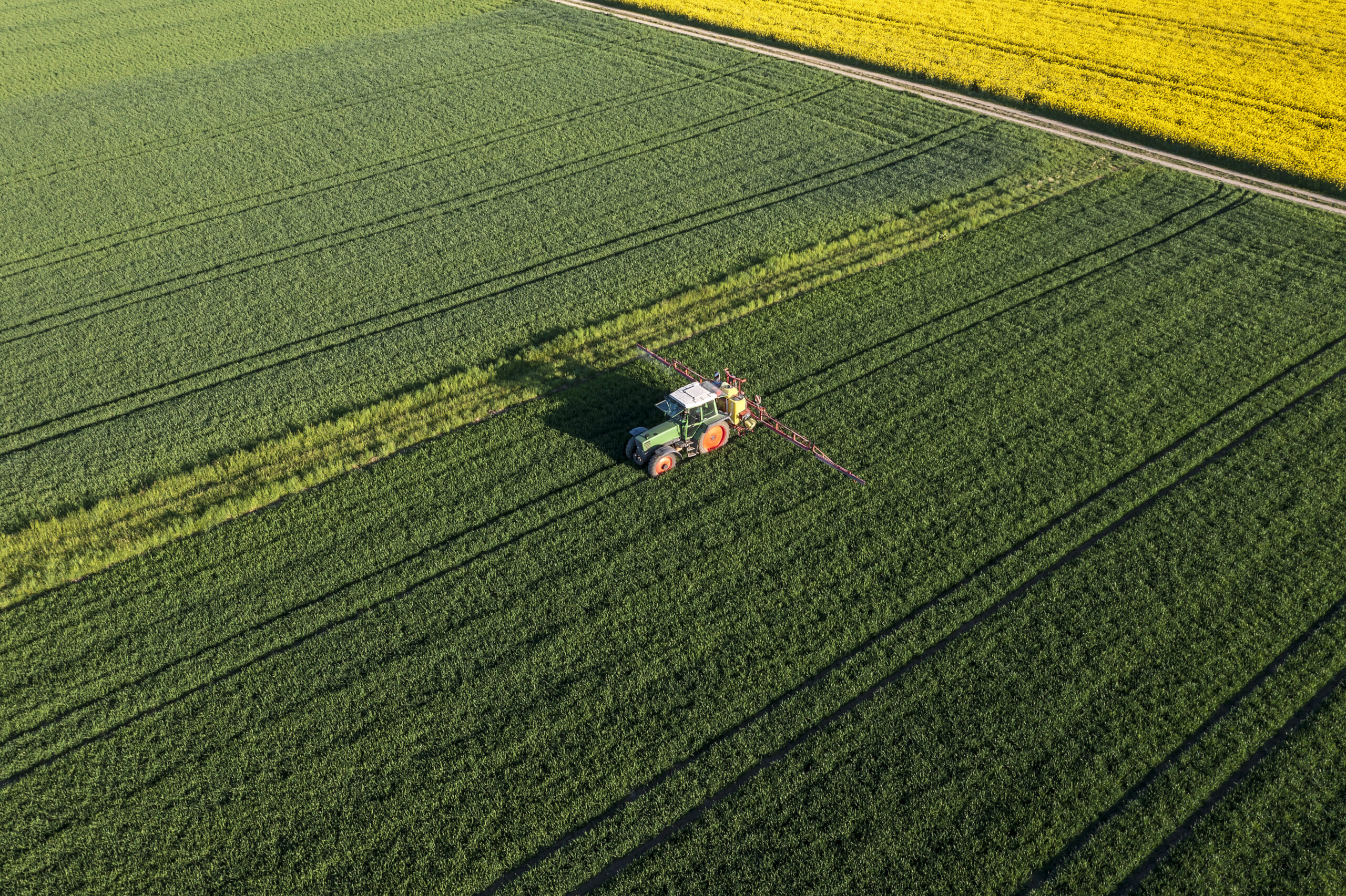
Paraquat is banned or heavily restricted in dozens of countries, including the European Union. Despite peer-reviewed research suggesting a link between paraquat exposure and an increased risk of Parkinson’s disease, the herbicide remains legal in the United States under Environmental Protection Agency (EPA) restricted-use rules.
Countries That Have Banned Paraquat
Paraquat’s regulatory status around the world has changed over time. As of 2026, dozens of countries have implemented bans or severe restrictions limiting the use of the pesticide. The following list groups these bans or recent phase-outs by region. This list, however, may not be exhaustive as new bans take effect frequently.
European Union
On July 11, 2007, the European Court of First Instance annulled the authorization of the herbicide paraquat. The ruling effectively banned paraquat across the EU. The following current EU member states are subject to the ban:
- Austria
- Belgium
- Bulgaria
- Croatia
- Cyprus
- Czech Republic
- Denmark
- Estonia
- Finland
- France
- Germany
- Greece
- Hungary
- Ireland
- Italy
- Latvia
- Lithuania
- Luxembourg
- Malta
- Netherlands
- Poland
- Portugal
- Romania
- Slovakia
- Slovenia
- Spain
- Sweden
United Kingdom
The United Kingdom banned paraquat in 2007, according to the Pesticide Action Network UK. Unfortunately, this ban did not stop production of the herbicide in the country. Despite the ban, Syngenta continued to operate a paraquat production facility in Huddersfield, England.
Nearly two decades after the initial ban, Syngenta announced it would be ceasing paraquat production by June 2026. While mounting evidence suggests paraquat poses significant risks to human health and the environment, Syngenta noted that competition from generic producers was the impetus for stopping production.
China
China banned the domestic sale and use of paraquat in 2017, but continues to produce the herbicide and export it to other countries, including the United States. Syngenta, the world’s largest producer of paraquat, is owned by ChemChina (now Sinochem Holdings), a Chinese state-owned company.
Asia and the Pacific
Other countries in Asia and the Pacific have also banned paraquat due to potential effects on human health and the environment.
Countries in Asia and the Pacific where paraquat was banned:
Latin America
Several Latin American countries, including Brazil, have issued partial or complete bans on the pesticide paraquat. Despite being one of the world’s largest agricultural markets, Brazil issued a complete ban on the use of paraquat in 2020. Chile and Peru have also issued bans to prohibit the use of the herbicide.
Africa and the Middle East
Multiple countries from Africa and the Middle East have implemented bans on the domestic use or production of paraquat-containing products.
According to the Environmental Working Group, the following countries from Africa and the Middle East have bans on the pesticide:
- Benin
- Burkina Faso
- Cabo Verde (Cape Verde)
- Chad
- Gabon
- Gambia
- Ghana
- Guinea
- Guinea‑Bissau
- Ivory Coast (Côte d’Ivoire)
- Liberia
- Malawi
- Mali
- Mauritania
- Morocco
- Mozambique
- Niger
- Nigeria
- Senegal
- Sierra Leone
- Togo
- Bahrain
- Iraq
- Kuwait
- Oman
- Qatar
- Saudi Arabia
- Syria
- United Arab Emirates
Despite bans in these nations, enforcement has remained an issue.
Other Notable Bans and Restrictions
Syngenta, the world’s largest producer of paraquat, is headquartered in Switzerland, a country that has banned domestic use of the product since 1989. In other countries, such as Canada, the registration of paraquat remained in effect until 2023.
Is Paraquat Banned in the United States?
Paraquat is not currently banned in the United States. It remains legal for use as a Restricted Use Pesticide under EPA regulations, meaning only certified applicators may handle it. In July 2021, the EPA released an interim decision on registration review and issued required mitigation measures to reduce the risk of harm to humans and the environment.
U.S. States Pushing to Ban Paraquat
Absent federal regulations prohibiting the use of paraquat, several states have taken action. As of early 2026, at least 12 states have introduced legislation to ban or significantly restrict the use of paraquat.
Hawaii
Hawaii requires the use of consistent units of measurement for pesticides and establishes a one-half-mile buffer zone around schools and parks.
Illinois
A bill amends the Illinois Pesticide Act to ban the use and sale of paraquat, except under limited exceptions, effective January 1, 2027.
Iowa
A bill was introduced in 2026 to prohibit the use of pesticides containing paraquat.
Minnesota
Bills introduced in the Minnesota House and Senate would prohibit the sale and use of paraquat.
Missouri
A bill, currently in committee, establishes the “Paraquat Ban and Environmental Research Act of 2026.” It would prohibit the use of products containing the pesticide.
New Jersey
A bill introduced during the 2026/2027 session would prohibit certain uses of paraquat.
New York
A bill has been introduced to prohibit the use of the pesticide paraquat.
Pennsylvania
A bill has been introduced that would prohibit the use of certain pesticides, including paraquat.
Utah
A bill would prohibit the application of paraquat and other pesticides near schools.
Vermont
In 2026, Vermont lawmakers introduced legislation to ban the use of paraquat effective July 1, 2026.
Virginia
The bill prohibits the use, sale, manufacture, or distribution of paraquat.
West Virginia
A bill introduced in the 2026 session would limit the use of certain pesticides, including paraquat.
How This Impacts Ongoing Paraquat Lawsuits
The growing list of international bans reinforces what plaintiffs in U.S. litigation have alleged for years: that paraquat poses serious risks to human health. Thousands of lawsuits have been consolidated into MDL No. 3004: In re Paraquat Products Liability Litigation, pending in the U.S. District Court for the Southern District of Illinois before Chief Judge Nancy J. Rosenstengel. Plaintiffs allege that manufacturers of paraquat-based products knew or should have known that exposure to the herbicide posed a risk of Parkinson's disease and failed to adequately warn users.
In April 2025, lead counsel for both sides entered into a settlement framework intended to resolve many of the pending federal claims. Final terms have not been publicly disclosed, and the litigation remains active. In March 2026, the court approved a qualified settlement fund, and Syngenta separately announced it would cease global paraquat production by the end of June 2026.
Wisner Baum represents individuals in paraquat lawsuits and continues to evaluate new claims. If you or a loved one were exposed to paraquat and subsequently diagnosed with Parkinson's disease, contact the firm for a free, no-obligation consultation. Call us today at (310) 207-3233 or visit us online to get started.