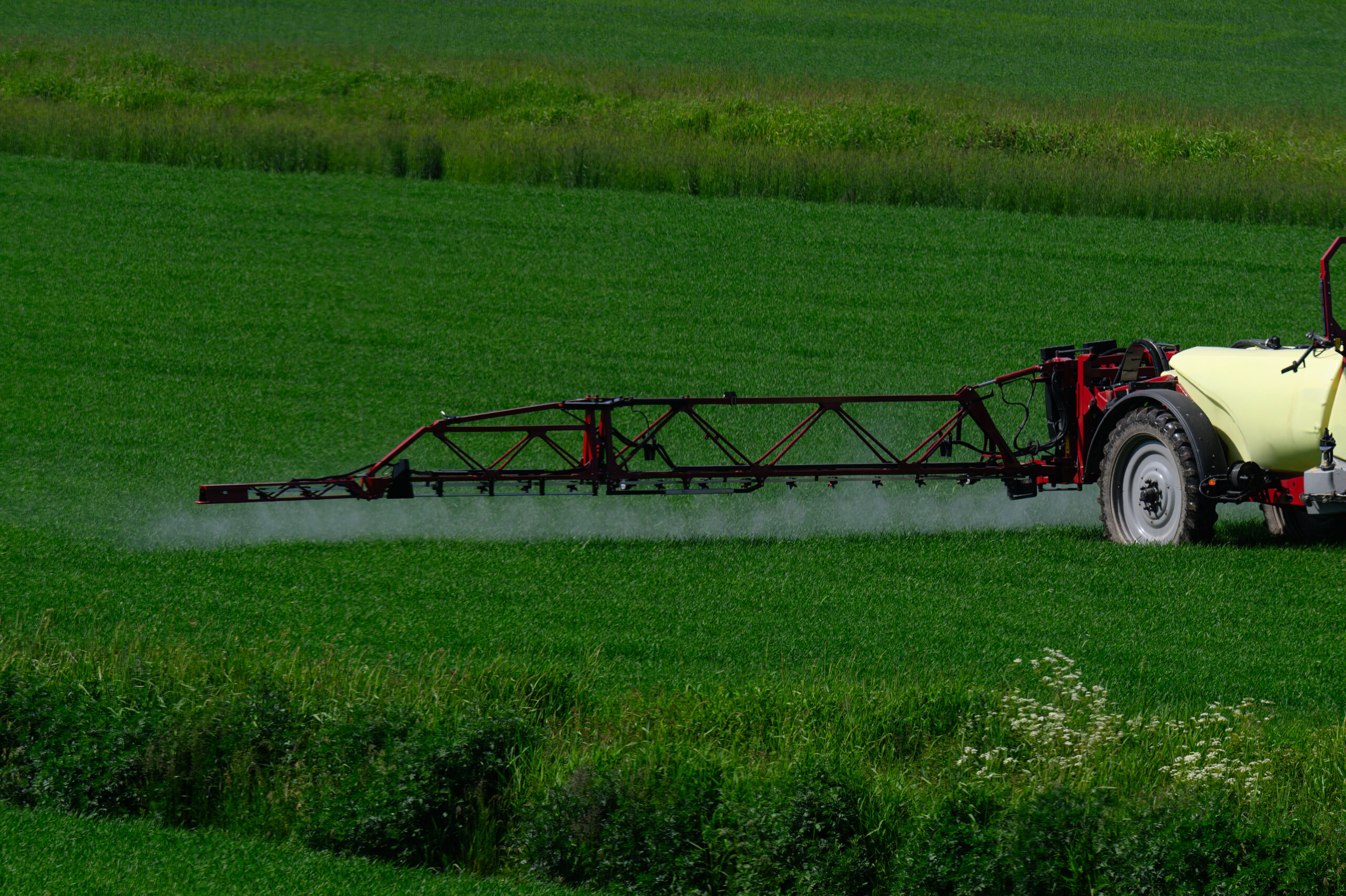
Dow Chemical Company introduced the pesticide chlorpyrifos in 1965. The neurotoxic organophosphate insecticide continues to be sprayed on food crops throughout the country. Research, however, has shown a potential link between the pesticide and neurodevelopmental harm in children as well as Parkinson’s disease in adults. The potential danger has led more than 40 countries around the world to ban chlorpyrifos.
Countries That Banned or Restricted Chlorpyrifos
According to the 2024 Pesticide Action Network (PAN) Consolidated List of Bans, chlorpyrifos has been banned in at least 44 countries. While some nations have imposed a complete ban, others have imposed specific or limited bans on the insecticide, including its use on agricultural crops, food, or in residential settings.
The International Pollutants Elimination Network (IPEN) noted that chlorpyrifos is a “highly hazardous pesticide,” banned in multiple countries around the globe. It has been linked with potential brain damage and may affect the intellectual development of children. IPEN is a non-profit network of public interest organizations dedicated to bringing public awareness to dangerous substances.
European Union
On December 6, 2019, member states at the Standing Committee on Plants, Animals, Food and Feed (PAFF Committee) voted not to renew the approvals of chlorpyrifos and chlorpyrifos-methyl. As a result of the vote, the European Commission formally adopted the regulations on January 10, 2020.
Ultimately, member states were required to withdraw authorizations of products containing the substances, leading to an effective ban on the chemical. Experts noted human health concerns, including the possible link to “genotoxicity and developmental neurotoxicity.” It was assessed that no safe level of exposure could be established.
In May 2025, chlorpyrifos was added to Annex A of the Stockholm Convention on Persistent Organic Pollutants. Annex A requires nations that have signed on to help eliminate the production and use of the listed chemicals, including chlorpyrifos.
United Kingdom
In 2016, the Health and Safety Executive (HSE), announced it would withdraw approval of chlorpyrifos products beginning April 1, 2016. The ban would be all-encompassing, except in the use of drench treatment when applied via automated gantry sprayer to protect seedling brassica. The ban would predate the European Union ban by almost four years.
Latin America
According to PAN International, the pesticide chlorpyrifos has been banned in several Latin American countries.
Latin American countries where chlorpyrifos has been banned:
- Argentina
- Chile
- Colombia
- Nicaragua
- Peru
Latin America has historically been a major market for chlorpyrifos use, but many countries have recently imposed bans, highlighting the growing consensus that the insecticide may pose significant risks to humans and the environment.
Asia and the Pacific
Several countries throughout Asia and the Pacific have implemented complete bans on the use of products containing chlorpyrifos.
Countries in Asia and the Pacific that have banned the use of chlorpyrifos:
- Japan: Japan moved to regulate chlorpyrifos under its chemical control law in 2026, designating it as a Class I Specified Chemical Substance, with enforcement scheduled for November 22, 2026.
- Singapore: In January 2026, Singapore confirmed it would prohibit the manufacture, import, and export of chlorpyrifos.
- New Zealand: New Zealand announced it would revoke approval for the insecticide beginning in July 2025, with a planned six-month phase-out of products containing the chemical.
Despite progress in Asia and the Pacific, chlorpyrifos remains legal in many countries, including India, where it is still approved for use on 18 crops despite a 2020 draft bill that would have banned the substance.
Other Notable Bans and Restrictions
Around the world, countries have taken steps to ban or restrict the use of chlorpyrifos as growing evidence shows that the pesticide may be linked to adverse health effects.
Notable bans and restrictions on chlorpyrifos:
- South Africa: A residential ban on the pesticide has been in effect since 2010, but the Minister of Agriculture announced a ban on the manufacture, importation, and exportation of products containing chlorpyrifos in 2023.
Additional countries that have issued a ban include Canada, Egypt, Indonesia, Morocco, Palestine, Saudi Arabia, Turkey, and Vietnam. This, however, is not an exhaustive list as new restrictions and bans continue to be imposed as the Stockholm Convention listing takes effect.
Chlorpyrifos Bans in the United States
The regulatory status of chlorpyrifos in the United States contrasts with other parts of the world. In 2021, the EPA revoked food tolerances for chlorpyrifos (effective February 2022), but the 8th Circuit Court vacated the decision in 2023, reinstating chlorpyrifos tolerances for registered food crops.
It is worth noting, however, that Corteva Agriscience, one of the largest producers of chlorpyrifos in the US, announced in February 2020 that it would phase out production of the pesticide by the end of the year.
Gharda Chemicals remains one of the few manufacturers left still supplying chlorpyrifos to the US market.
U.S. States That Have Banned or Restricted Chlorpyrifos
In the absence of clear federal regulatory action, several states have issued restrictions or bans on the use of chlorpyrifos. As reported by the Environmental Working Group, states like California (banned 2020), Hawaii (first state ban 2018), Maine, and Maryland have either enacted bans or announced legislation to prohibit the pesticide.
California
In October 2019, California Governor Gavin Newsom announced that his administration had reached a deal with manufacturers of the pesticide to prohibit the sale of chlorpyrifos in the state. Manufacturers were given until the end of 2020 to use any remaining stock before the full ban went into effect.
Hawaii
In June 2018, Hawaii became the first state to issue a ban on chlorpyrifos, citing the potential harm to children.
Maine
On June 8, 2021, Maine banned the distribution of pesticides containing chlorpyrifos as an active ingredient. The ban took effect in 2022.
Maryland
Maryland announced in February 2020 that it would be requiring the phase-out of chlorpyrifos by the end of that year.
New York
In December 2019, New York Governor Andrew Cuomo issued an executive directive ordering the state Department of Environmental Conservation (DEC) to phase out chlorpyrifos in New York. The DEC subsequently finalized regulations prohibiting the sale, distribution, possession, and use of chlorpyrifos products, which went into full effect in July of 2021.
Oregon
Oregon began phasing out the use of chlorpyrifos in 2021, but a ban with a few limited exceptions, did not take effect until 2024.
It is important to understand that residents living in a state with a ban may still be exposed to the chemical through contaminated food and crops in states where use of the chemical remains legal.
Why Chlorpyrifos Remains in Use Despite Bans
While various countries around the world have banned chlorpyrifos, many people remain unaware of the potential consequences that come with exposure. Individuals who were exposed to chlorpyrifos and subsequently diagnosed with Parkinson’s disease are encouraged to contact an attorney as soon as possible. Wisner Baum offers free and confidential case evaluations for chlorpyrifos lawsuits. Contact us today at (310) 207-3233 to discuss your potential legal options.