No Fees Unless We Win
(310) 207-3233
Menu

Where and Why is Atrazine Banned?

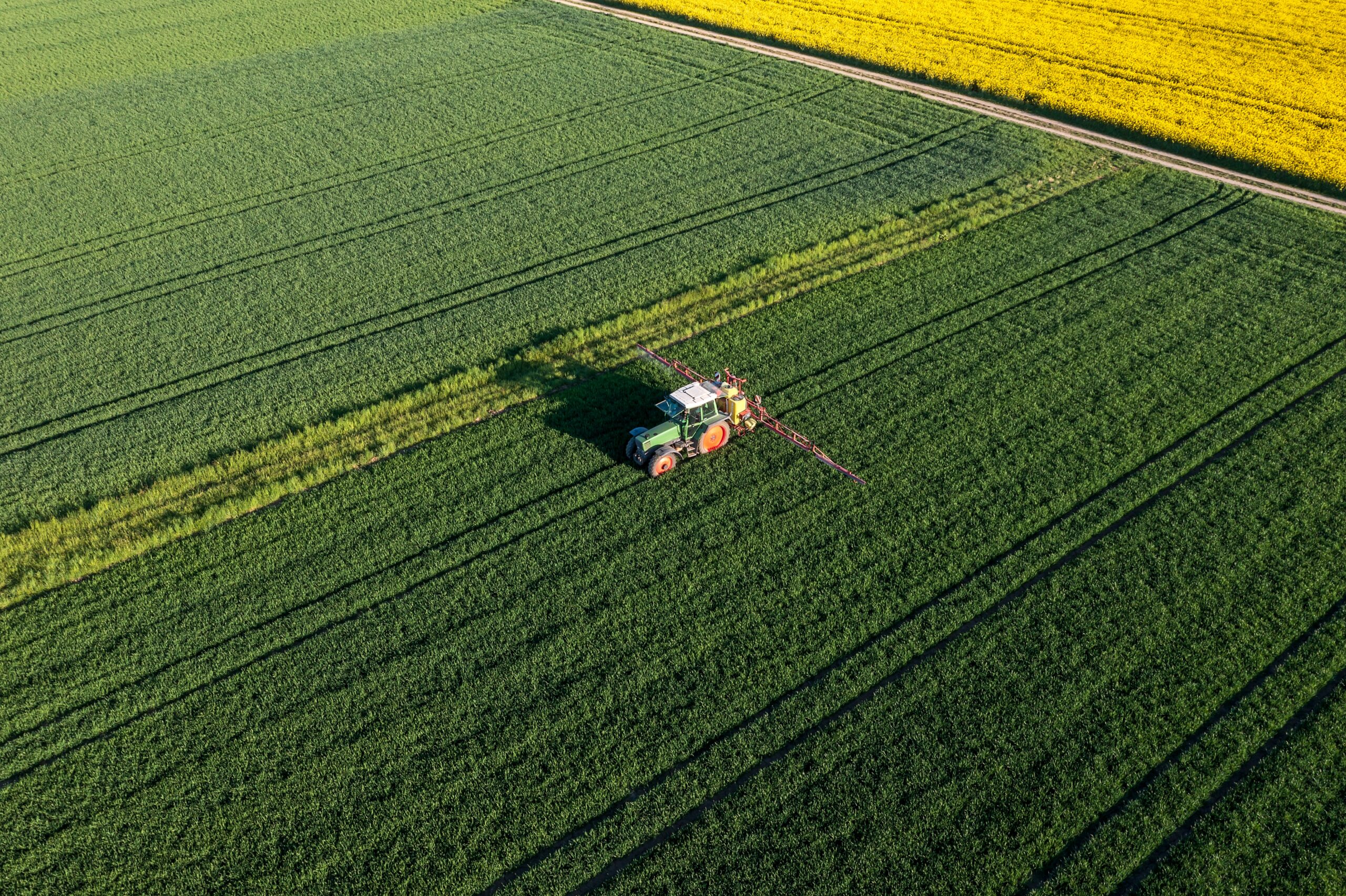
Atrazine is a widely used herbicide that has been banned in several countries across the globe. It is manmade, odorless, and does not break down quickly in water. It can accumulate over time, contaminating soil and water sources beyond its application area. Exposure to the chemical has been linked with adverse health effects, including an increased risk of certain kinds of cancer, endocrine disruption, and reproductive issues.

Understanding Atrazine's Effects on Humans

Atrazine is a chlorinated triazine pesticide that is commonly used in the United States. According to the Ban Atrazine Toxicants Act, roughly 80,000,000 pounds of the chemical are sprayed annually, making it the second most used herbicide in the US. 

For decades, the scientific community has had growing concerns over the effects the toxin has on humans and the environment. In November of 2025, the International Agency for Research on Cancer listed the herbicide as probably carcinogenic to humans, which means it may put people at an increased risk for developing certain types of cancer. The chemical may also impact reproductive health and put unborn children at an increased risk of birth defects, according to the Act submitted to Congress.

What’s most troubling is that many people do not realize that they have been exposed to the chemical until long after they have developed health issues. Atrazine can travel far distances, contaminating soil and water sources far beyond where it was initially applied.

Where Is Atrazine Banned? Global and U.S. Status

Atrazine has been banned in over 60 countries across the globe. In the United States, however, a full ban has not been implemented. H. R. 9981, the “Ban Atrazine Toxicants Act” aims to prohibit the use, sale, or production of the herbicide in the country. Without strict federal law, some states have taken action to limit or prohibit the use and sale of products containing atrazine within their boundaries.

Is Atrazine Banned in the US? 

Currently, atrazine is not banned in the US.  Atrazine is classified as a “restricted use pesticide,” but its use remains widespread.

The Environmental Protection Agency’s “level of concern” for atrazine is 9.7 micrograms per liter. However, this number is a threshold for protecting aquatic ecosystems, not for drinking water safety standards. The legal maximum contaminant level (MCL) for atrazine in public drinking water is 3 micrograms per liter.

State actions on atrazine:

  • California added the chemical to its Prop 65 list, where atrazine is specifically listed for developmental toxicity and female reproductive toxicity.
  • Wisconsin has limited the use of atrazine, making it illegal to apply in Prohibited Areas. 
  • Florida regulates atrazine under its general pesticide law as a "restricted use pesticide" consistent with the federal EPA classification, setting parameters on how and when it can be used. 

Unfortunately, without an atrazine ban, its continued use may cause harm not only to those applying the herbicide but also to surrounding communities. 

Is Atrazine Banned in Europe? 

Yes. The European Union announced a ban on atrazine in October of 2003, and the ban was enacted in 2004. In some EU countries, atrazine has not been used in over 30 years. Germany and Italy, for instance, banned the use of atrazine in the early 1990s. Yet traces of the herbicide are still being detected in groundwater throughout areas that have not been sprayed for decades. 

European countries where atrazine is banned or partially banned, according to the Center for Biological Diversity:

  • Austria
  • Belgium
  • Bosnia & Herzegovina
  • Bulgaria
  • Croatia
  • Czech Republic
  • Denmark
  • England
  • Estonia
  • Finland
  • France
  • Germany
  • Greece
  • Hungary
  • Ireland
  • Italy 
  • Latvia
  • Lithuania
  • Malta
  • Netherlands
  • Northern Ireland
  • Poland
  • Portugal
  • Republic of Cyprus
  • Romania
  • Scotland
  • Slovakia
  • Slovenia 
  • Spain
  • Sweden
  • Switzerland
  • Wales

Is Atrazine Banned in Other Parts of the World? 

According to varying sources, atrazine has been banned in approximately 40-60+ countries throughout the world. These countries include:

  • Benin 
  • Burkina Faso
  • Cape Verde
  • Chad
  • Egypt
  • Gabon
  • Gambia
  • Ghana
  • Grenada
  • Guinea
  • Guinea-Bissau
  • Iraq
  • Ivory Coast
  • Kuwait
  • Liberia 
  • Mauritania
  • Morocco
  • Niger
  • Nigeria
  • Oman
  • Palestine
  • Qatar
  • Saudi Arabia
  • Senegal
  • Sierra Leone
  • Togo
  • Turkey
  • United Arab Emirates 
  • Uruguay

Should Atrazine be Banned?

Scientists have long debated whether the potential harm to humans and the environment outweighs the benefits of atrazine and other pesticides. Research continues into the short- and long-term effects of atrazine exposure, including its potential for endocrine disruption, cancer risk, and impact on reproductive health. 

Advocates for an atrazine ban argue that its long-term environmental impact, toxicity to wildlife, and documented effects on human health should provide sufficient evidence for why it should not be used. 

Legal Claims For Atrazine Exposure

Research indicates that exposure to atrazine can deeply impact a person’s health. It is believed that companies who manufactured products with atrazine knew or should have known of the dangers associated with its use and failed to warn consumers. Individuals who suffered harm as a result of exposure, including a cancer diagnosis, birth defects, reproductive harm, damage to their water supply, or environmental contamination may be eligible to take legal action against an atrazine manufacturer. 

Wisner Baum has extensive experience handling these cases, including helping to negotiate a multi-billion dollar settlement for individuals exposed to another potentially harmful herbicide, Roundup. 

What To Do If You’ve Been Exposed to Atrazine

Individuals who have been exposed to atrazine are encouraged to contact Wisner Baum for a free case evaluation. Once retained, attorneys with the firm will help you gather the evidence you need, including medical records, proof of exposure, and water-testing data, to help you prove your case.

Most people do not realize that they have been exposed until an adverse health condition, such as cancer or a reproductive issue arises. It is important to act quickly after a diagnosis to ensure all legal timelines can be met. Save any information that may prove exposure including pesticide-application notices, reports, or other information that may help to substantiate your case. 

Contact an Atrazine Lawyer Today

Contact Wisner Baum today to schedule a free consultation. Our firm has helped secure billions on behalf of toxic-exposure victims. We have successfully represented agricultural workers, residents of rural communities, and families who have been harmed by environmental toxins, including pesticides that contaminate the soil and water. Contact our firm today at (310) 207-3233 to get started.
Get Started
Call (310) 207-3233 or fill out the form below and request a free consultation.
20,000+ Families Represented

"Wisner Baum gave exceptional attention to all aspects of the case, detailed inquiry, and tenacious overview of all the information submitted. The paralegals are efficient and diligent. I was completely surprised to find an empathic personal message to take care of my own health during the challenging time of being a full-time caretaker.*"

Mary Flores
Reviewed
on Google
Read More Reviews
Case Results
We Demand Accountability.
More Successful Results
$2.0 Billion Verdict
Personal Injury
In May of 2019, the jury in the case of Pilliod et al. v, Monsanto Company ordered the agrochemical giant to pay $2.055 billion in damages to the plaintiffs, Alva and Alberta Pilliod, a Bay Area couple in their 70s. R. Brent Wisner served as co-lead trial attorney for the Pilliods, delivering the opening and closing statements and cross-examining several of Monsanto’s experts. Wisner Baum managing shareholder, Michael Baum and attorney Pedram Esfandiary also served on the trial team in the Pilliod case. The judge later reduced their award to $87M. Monsanto appealed the Pilliod’s verdict which the California Court of Appeal for the First Appellate District denied on August 9, 2021. Monsanto then requested the California Supreme Court review the appeal’s court decision, which the court denied on Nov. 17, 2021. Monsanto (Bayer) then submitted a petition for a writ of certiorari with the U.S. Supreme Court which SCOTUS denied on June 27, 2022, allowing the final judgment of $87M to remain intact.
Continue Reading
$2.0 Billion Verdict
Personal Injury

In May of 2019, the jury in the case of Pilliod et al. v, Monsanto Company ordered the agrochemical giant to pay $2.055 billion in damages to the plaintiffs, Alva and Alberta Pilliod, a Bay Area couple in their 70s. R. Brent Wisner served as co-lead trial attorney for the Pilliods, delivering the opening and closing statements and cross-examining several of Monsanto’s experts. Wisner Baum managing shareholder, Michael Baum and attorney Pedram Esfandiary also served on the trial team in the Pilliod case.

The judge later reduced their award to $87M. Monsanto appealed the Pilliod’s verdict which the California Court of Appeal for the First Appellate District denied on August 9, 2021. Monsanto then requested the California Supreme Court review the appeal’s court decision, which the court denied on Nov. 17, 2021. Monsanto (Bayer) then submitted a petition for a writ of certiorari with the U.S. Supreme Court which SCOTUS denied on June 27, 2022, allowing the final judgment of $87M to remain intact.

$289.2 Million Verdict
Personal Injury
$289.2 million jury verdict in Monsanto Roundup trial Wisner Baum co-represented Dewayne “Lee” Johnson in the first Roundup cancer lawsuit to proceed to trial. On Aug. 10, 2018, a San Francisco jury ordered Monsanto to pay $39.25 million in compensatory damages and $250 million in punitive damages to Mr. Johnson, a former groundskeeper who alleged exposure to Monsanto’s herbicides caused him to develop terminal non-Hodgkin lymphoma. Months after the jury verdict, the judge overseeing the trial reduced the punitive damages to $39.25 million. Mr. Johnson decided to accept the remittitur, bringing the adjusted amount awarded to Mr. Johnson $78.5 million. Monsanto (Bayer) appealed the verdict and Johnson cross appealed. On July 20, 2020, the First Circuit Court of Appeals upheld the verdict against Monsanto but reduced Mr. Johnson’s award to $20.5 million. The company chose not to take the case to the U.S. Supreme Court, ending the litigation.
Continue Reading
$289.2 Million Verdict
Personal Injury

$289.2 million jury verdict in Monsanto Roundup trial

Wisner Baum co-represented Dewayne “Lee” Johnson in the first Roundup cancer lawsuit to proceed to trial. On Aug. 10, 2018, a San Francisco jury ordered Monsanto to pay $39.25 million in compensatory damages and $250 million in punitive damages to Mr. Johnson, a former groundskeeper who alleged exposure to Monsanto’s herbicides caused him to develop terminal non-Hodgkin lymphoma.

Months after the jury verdict, the judge overseeing the trial reduced the punitive damages to $39.25 million. Mr. Johnson decided to accept the remittitur, bringing the adjusted amount awarded to Mr. Johnson $78.5 million.

Monsanto (Bayer) appealed the verdict and Johnson cross appealed. On July 20, 2020, the First Circuit Court of Appeals upheld the verdict against Monsanto but reduced Mr. Johnson’s award to $20.5 million. The company chose not to take the case to the U.S. Supreme Court, ending the litigation.

$265 Million Settlement
Fatal Train Crash
In 2016, Wisner Baum attorney Timothy A. Loranger and six other attorneys in the Plaintiffs’ Management Committee were able to secure a $265 million settlement for victims of the 2015 Amtrak 188 derailment in Philadelphia, one of the largest in the U.S. for 2016.
Continue Reading
$265 Million Settlement
Fatal Train Crash

In 2016, Wisner Baum attorney Timothy A. Loranger and six other attorneys in the Plaintiffs’ Management Committee were able to secure a $265 million settlement for victims of the 2015 Amtrak 188 derailment in Philadelphia, one of the largest in the U.S. for 2016.

When companies choose profit over people, we fight. Wisner Baum exposes injustice, demands accountability, and delivers real results for real people. Your Path to Justice Starts Here.
Los Angeles
11111 Santa Monica
Blvd Suite 1750
Los Angeles, CA 90025
Get Directions
Bay Area
100 Drakes Landing Road
Suite 160
Greenbrae, CA 94904
Get Directions
Washington, D.C.
2101 L St NW 

Suite 800
Washington, DC 20037
Get Directions
The information on this website is for general information purposes only. Nothing on this site should be taken as advice for any individual case or situation. This information is not intended to create, and receipt or viewing does not constitute a client relationship.
Send Us Your Case Details
We’ll respond and let you know the best way to proceed with your case.
crossarrow-up
linkedin facebook pinterest youtube rss twitter instagram facebook-blank rss-blank linkedin-blank pinterest youtube twitter instagram