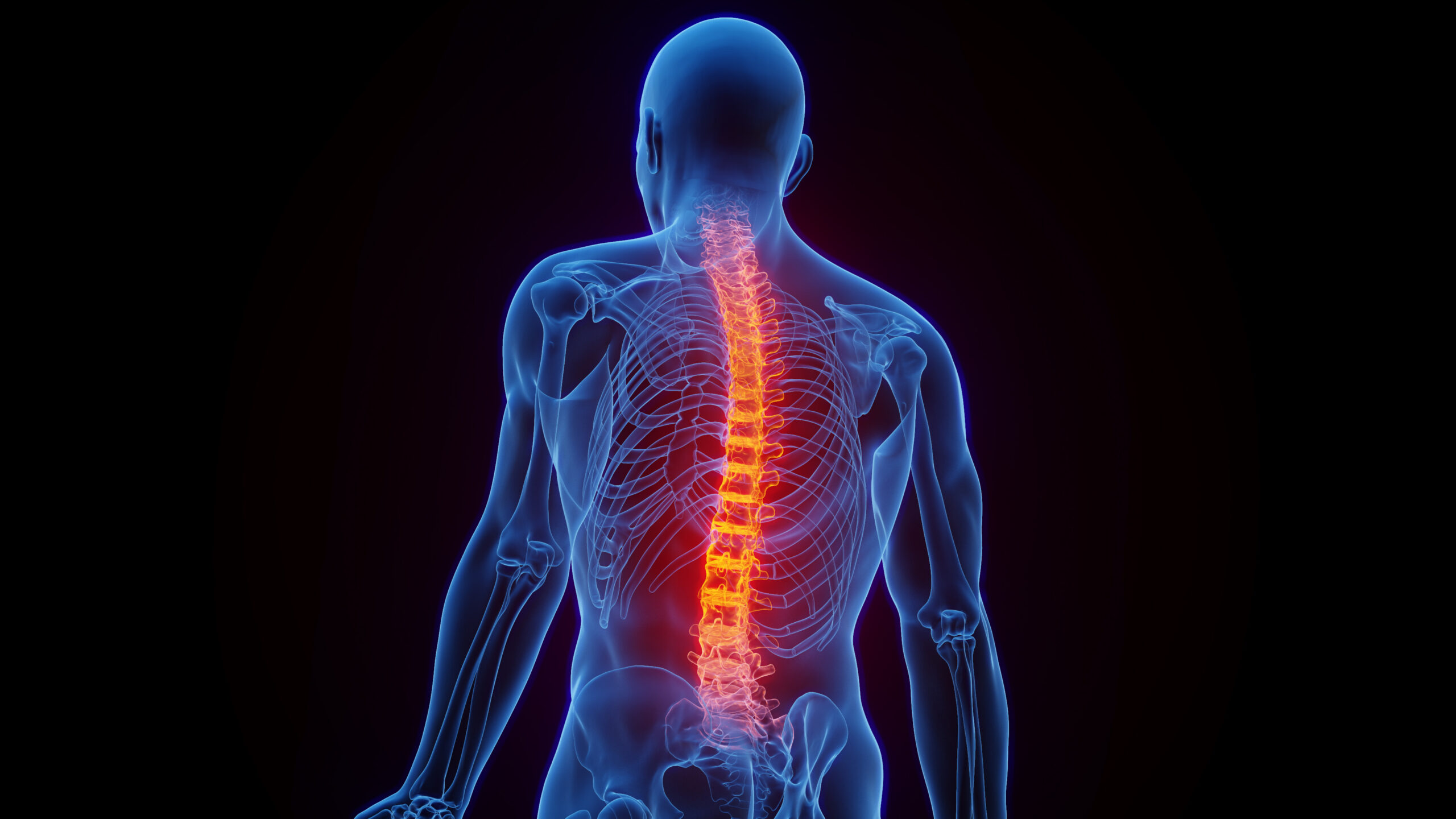
Wisner Baum represents multiple plaintiffs in legal claims against Abbott Laboratories alleging the company made material design and manufacturing changes to its spinal cord stimulator devices after U.S. Food and Drug Administration (FDA) approval, without disclosing those changes to patients, physicians, or regulators. Our clients allege serious injuries as a result of Abbott’s negligence, including sudden electrical shocks, burning sensations, loss of feeling in extremities, worsening chronic pain, and neurological symptoms, among other health issues.
Our medical device lawyers continue to investigate and pursue spinal cord stimulator lawsuits against Abbott and other major manufacturers. Our firm is committed to holding these companies accountable for their alleged wrongdoing.
Patients with Abbott spinal cord stimulators implanted who have suffered harm are encouraged to contact Wisner Baum to discuss the potential of taking legal action.
To schedule a free case evaluation, contact us or call (310) 207-3233.
Abbott Spinal Cord Stimulator Lawsuit Updates
August 2026: While the JPML did not order an industrywide MDL centralizing all spinal cord stimulator cases against major manufacturers, cases against Abbott, Boston Scientific, and Nevro continue to move forward. MDL 3181 has centralized multiple cases pending against Boston Scientific to the Central District of California. A new motion has been filed to consolidate cases pending against Abbott Laboratories into a separate MDL out of the same jurisdiction. The JPML is expected to rule in the coming months on the motion. Even without consolidation, however, these cases continue to move forward against Abbott and other SCS manufacturers.
July 2026: At the end of June, plaintiffs filed a motion before the Judicial Panel on Multidistrict Litigation to transfer related cases to the Central District of California. According to the motion, the 12 cases, filed by 33 different plaintiffs are substantially similar. Each alleges that the spinal cord stimulator systems marketed by Abbott Laboratories caused them harm.
June 2026: On June 5, 2026, the Judicial Panel on Multidistrict Litigation issued a transfer order to centralize cases filed against Boston Scientific into a single MDL. Although the underlying motion listed 10 Boston Scientific cases, at the time of the order there were 23 such cases pending across nine federal districts. The MDL was renamed: In re Boston Scientific Corporation Spinal Cord Stimulator Products Liability Litigation. Cases pending outside of the Central District of California were transferred to the jurisdiction under the order and assigned to the Honorable Josephine L. Staton for consolidated pretrial proceedings. Four proceedings listed on Schedule B of the transfer order and pending against Abbott were not transferred. A scheduling conference was subsequently set for August 5, 2026.
May 2026: Wisner Baum attorney Behram V. Parekh argued before the Judicial Panel on Multidistrict Litigation that the SCS cases filed across the country against Abbott, as well as other manufacturers of SCS devices, should all be consolidated before a single Federal court, preferably in the Northern District of California. The Panel has taken the matter under submission, and a ruling is expected before the end of June.
March 2026: Wisner Baum filed a lawsuit against Abbott on behalf of multiple plaintiffs. Furia et al. v. Abbott Laboratories et al. (3:26-cv-01945, N.D. Cal.) alleges that Abbott's Proclaim Elite SCS system was defectively designed, subject to undisclosed post-approval modifications, and failed to deliver the promised pain relief. The complaint further alleges the plaintiffs suffered serious injuries, including lead migration, electrical shocks, and worsening pain that ultimately required surgical intervention. The case is among a growing number of SCS lawsuits filed in federal court, contributing to the push for MDL centralization.
February 2026: Abbott SCS patients continue to come forward in cases alleging harm caused by the manufacturer’s defective devices. Individuals injured after receiving an Abbott SCS are encouraged to discuss their case with an experienced attorney to determine if they may be eligible to take legal action.
December 2025: A lawsuit (Tuttle v. Abbott) filed on December 11, 2025, alleged that Abbott’s Eterna device caused serious harm after implantation. The complaint alleged that the device did not perform as expected and caused painful complications, eventually requiring revision surgery.
October 2025: Abbott issued an “Urgent Medical Device Correction” notifying physicians that they had received reports that its Eterna SCS system may lose communication with the Clinician Programmer (CP) and/or the Patient Controller (PC). The issue was traced to Bluetooth Low Energy circuit component manufacturing
June 2024: Abbott issued an “Urgent Medical Device Correction” notifying doctors that its non-rechargeable Proclaim neurostimulation systems may have a shorter-than-indicated duration from ERI threshold to end of service. It may be 45-55% shorter than indicated on the product label.
Abbott's Spinal Cord Stimulator Devices
On January 4, 2017, Abbott announced it had completed its acquisition of St. Jude Medical, Inc. The acquisition helped the company expand its position in several areas, including chronic pain management. At that time, Abbott also announced that it would be releasing the Proclaim DRG system and other stimulation waveform technologies.
Today, the company has multiple spinal cord stimulation systems to help manage chronic pain and other conditions in patients. Abbott’s SCS systems, also referred to as neuromodulation, are designed to deliver low-level electrical impulses to nerve structures along the spinal cord. Patients with conditions such as failed back surgery syndrome, diabetic neuropathy, and nonsurgical back pain may be candidates for spinal cord stimulation.
Proclaim SCS Family
One of Abbott’s most prominent SCS systems is the Proclaim product line. The Proclaim XR (recharge-free) and Proclaim Plus (multi-area) utilize the company’s proprietary BurstDR stimulation and provide up to 10 years of battery life (at low-dose settings). Patients have access to Abbott’s NeuroSphere Digital Health App, which allows them to adjust their stimulation remotely.
The Proclaim Plus was the center of a Class 1 device recall initiated on July 18, 2023. The recall involved 387 units of the Proclaim Plus 7 Implantable Pulse Generator REF 3672.
On July 20, 2023, Abbott issued an “Urgent Medical Device Correction” notifying them that it had received reports from patients that they were unable to exit the MRI mode on the device. Reports indicated that Patient Controllers used by patients were unable to connect to the implanted device. A class 1 recall is the most serious issued by the FDA and is done so when there is a potential for serious harm to users.
Eterna SCS System
On December 19, 2022, Abbott announced the launch of its smallest rechargeable SCS system, the Eterna. Like its other SCS systems, the Eterna utilizes Abbott’s proprietary BurstDR stimulation. It was marketed as having “the lowest recharge burden” compared with others on the market. The device can charge wirelessly as few as 5 times per year.
In October 2025, Abbott issued an “Urgent Medical Device Correction” for Eterna SCS IPG Model Number 32400, noting that patients may experience a loss of communication with the Clinician Programmer and/or the Patient Controller. The issue was traced to the manufacturing of the Bluetooth Low Energy circuit component. At the time the letter was issued, the company had received 36 complaint reports related to the issue. The advisory was distinct from the issues in the Proclaim recall.
How Much Do Abbott Spinal Cord Stimulators Cost?
Costs may vary widely for spinal cord stimulators manufactured by Abbott, depending on factors such as the hospital, insurance coverage, and type of system implanted. In some instances, alleged device malfunctions have required revision or removal surgeries, requiring additional financial burdens.
FDA Recalls and Safety Advisories Involving Abbott Spinal Cord Stimulator Devices
Abbott SCS systems have been the subject of class I recalls, safety advisories, and legal action across the United States. These actions have highlighted potential safety risks associated with using the devices.
2023 Class I Recall: Proclaim and Infinity MRI Mode Defect
In July 2023, a Class I recall was issued for multiple SCS models. A Class I recall is the most serious issued by the FDA and indicates that use of the device may cause serious injury or death. Affected devices were distributed between November 21, 2015 through June 29, 2023. The number of devices recalled in the US was 155,028.
Models affected by the Class I recall:
- Proclaim XR 5 IPG Model 3660 (Proclaim 5 Elite IPG Model 3660)
- Proclaim XR 7 IPG Model 3662 (Proclaim 7 Elite IPG Model 3662)
- Proclaim Plus 5 IPG Model 3670
- Proclaim Plus 7 IPG Model 3672
- Proclaim DRG IPG Model 3664
- Infinity 5 IPG Model 6660
- Infinity 7 IPG Model 6662
The recall was issued after the company received multiple reports from patients who were unable to exit MRI mode. In MRI mode, the device may lose the ability to connect with its IPG.
According to the FDA recall notice, patients with Parkinson's disease and movement disorders who use Abbott's Infinity Deep Brain Stimulation (DBS) devices — a separate product line from the Proclaim SCS systems also included in this recall — face higher morbidity and mortality risk if additional surgeries are needed.
June 2024: Battery Replacement Indicator Issue
On June 7, 2024, Abbott issued an “Urgent Medical Device Correction” for a battery replacement indicator issue for its non-rechargeable Proclaim and Infinity systems. The advisory indicated that the time between the device reaching the ERI threshold and the end of service may be 45-55% shorter than what is indicated on the product label.
October 2025: Eterna Bluetooth Communication Advisory
In October 2025, Abbott notified physicians about a potential issue affecting Eterna SCS IPG (Model 32400). The “Urgent Medical Device Correction” noted that the Eterna may lose communication with the Clinician Programmer (CP) and/or the Patient Controller (PC).
As of the issuance of the advisory, Abbott had received 36 complaint reports, including 21 related to devices that lost Bluetooth Low Energy (BLE) communication, requiring an additional procedure to replace the device, and 15 that lost BLE before implantation. The issue was traced to the BLE circuit component manufacturing.
Problems Reported with Abbott Spinal Cord Stimulators
Multiple problems have been reported with Abbott spinal cord stimulators. In some instances, the patients have reportedly had to have revision or removal surgery. These surgeries present an additional risk to patients.
Reported problems with Abbott SCS systems include:
- Rapid lead migration
- Jolting or shock episodes
- Internal burns
- Ineffective pain relief
- Lack of therapeutic benefit
- Infection
- Battery failure
- Overheating
- Device malfunction
During a four-year period, the FDA reported over 107,000 adverse event reports related to spinal cord stimulators from all manufacturers, including Abbott.
Why Abbott Is Facing Legal Scrutiny Over Their SCS Devices
As a result of these reported issues, patients nationwide have taken legal action. These claims are generally based on legal theories such as design defect, failure to warn, negligence, breach of warranty, and misrepresentation. Abbott continues to face legal scrutiny as more patients come forward with reports of adverse health events allegedly caused by their spinal cord stimulators.
Several cases have been filed publicly, including Furia et al. v. Abbott Laboratories (3:26-cv-01945, N.D. Cal., filed March 2026). Wisner Baum medical device attorneys filed this lawsuit on behalf of three plaintiffs alleging that Abbott's Proclaim Elite SCS system caused serious harm, including lead migration and painful electrical shocks, and that the manufacturer failed to adequately warn patients of the risks associated with post-approval design changes.
The complaint further alleges that Abbott made more than 230 post-approval modifications to the device's firmware, battery, and stimulation architecture without submitting a new premarket approval application or conducting updated clinical safety trials, and that Abbott sales representatives — not doctors — were responsible for programming the implanted devices.
Another case, Tuttle v. Abbott, was filed in December 2025. The lawsuit alleged that Abbott’s Eterna device had undergone multiple PMA supplements after its initial FDA approval. According to the complaint, the changes were material and caused serious harm, including rapid lead migration and neurological pain that required revision surgery.
Who May Qualify to File an Abbott Spinal Cord Stimulator Lawsuit
Individuals who suffered an adverse health event after having an Abbott spinal cord stimulator implanted may be able to take legal action against the manufacturer. To file a lawsuit, individuals must meet certain criteria that are subject to change.
Qualifying factors for an Abbott spinal cord stimulator may include:
- Device: Must have proof of implantation of a qualifying Abbott SCS device, including Proclaim, Eterna, or a legacy device from St. Jude.
- Complications: Must have proof of a qualifying complication such as device malfunction, electrical shock, infection, loss of efficacy, lead migration, or the requirement for revision or removal surgery.
- Deadline: The lawsuit must be filed within the statute of limitations. Patients generally have 1-3 years from the date of injury or discovery, but the deadline varies by state.
Contact Wisner Baum for a Free Case Evaluation
Individuals who have experienced harm as a result of an Abbott SCS device are encouraged to contact an attorney. Wisner Baum has extensive experience handling medical device lawsuits. Attorneys with the firm understand how challenging and complex these cases can be for a family. We are here to help provide the legal guidance patients need to make informed decisions about their case.
Wisner Baum attorneys litigate Abbott lawsuits on contingency, meaning there are no fees unless compensation is recovered on your behalf. Contact Wisner Baum today to schedule a free consultation.