No Fees Unless We Win
(310) 207-3233
Menu

Where is Paraquat Banned?

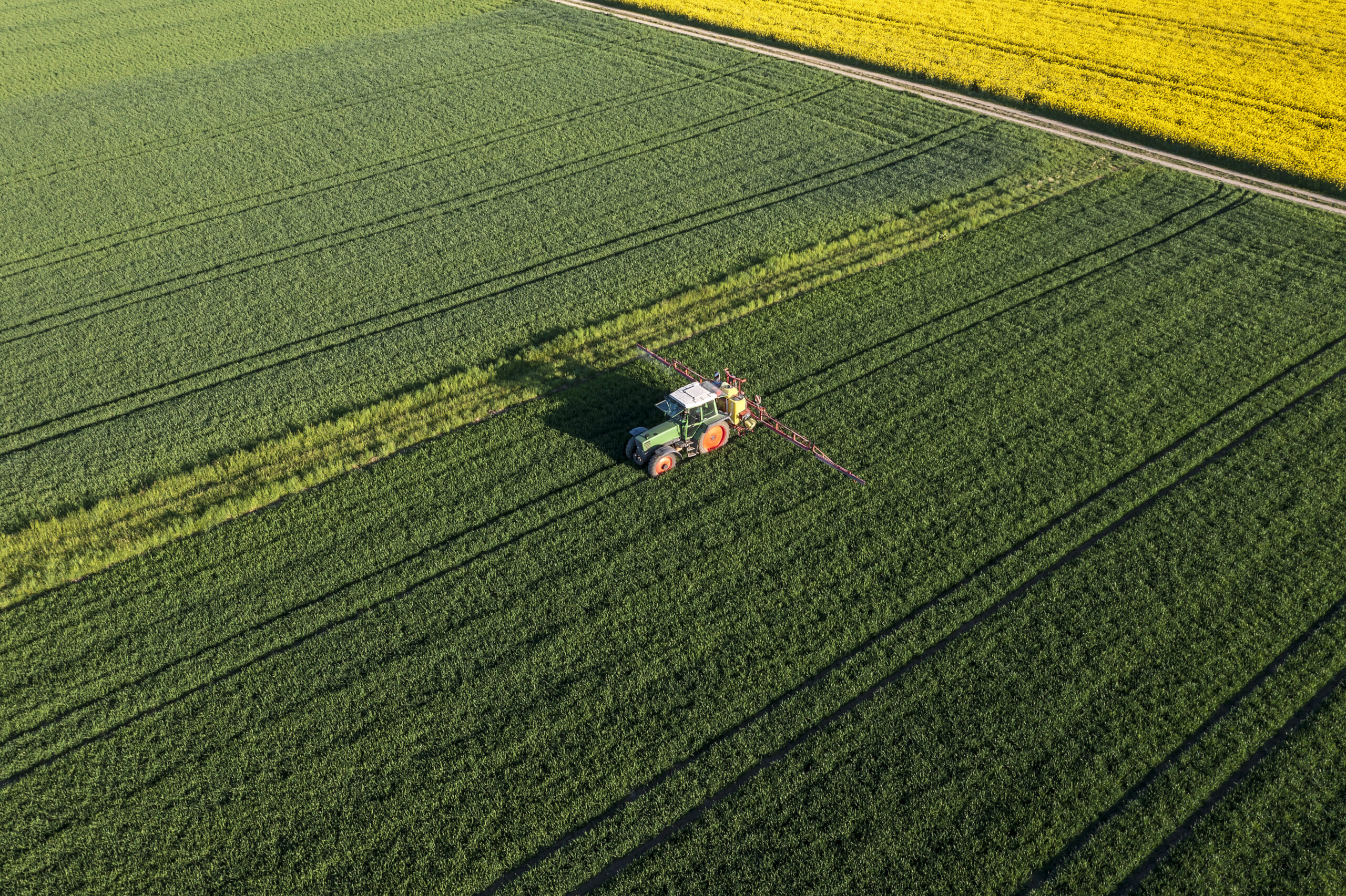
Paraquat is banned or heavily restricted in dozens of countries, including the European Union and the United Kingdom, while remaining legal in the United States under EPA restricted-use rules. Peer-reviewed research has suggested a link between paraquat exposure and an increased risk of Parkinson’s disease.

The US Environmental Protection Agency (EPA) classifies the herbicide as a restricted-use pesticide, meaning only licensed applicators can handle the substance. Despite the lack of federal regulations, several states have introduced legislation to ban or restrict its use. 

Countries That Have Banned Paraquat

While the regulatory status of paraquat changes frequently, dozens of countries have implemented bans or severe restrictions limiting the use of the pesticide. The following list groups these bans or recent phase-outs by region.  This list, however, may not be exhaustive as new bans take effect frequently. 

European Union

On July 11, 2007, the European Court of First Instance annulled the authorization of the herbicide paraquat. The ruling effectively banned paraquat across the EU. The following current EU member states are subject to the ban: 

  • Austria
  • Belgium
  • Bulgaria
  • Croatia
  • Cyprus
  • Czech Republic
  • Denmark
  • Estonia
  • Finland
  • France
  • Germany
  • Greece
  • Hungary
  • Ireland
  • Italy
  • Latvia
  • Lithuania
  • Luxembourg
  • Malta
  • Netherlands
  • Poland
  • Portugal
  • Romania
  • Slovakia
  • Slovenia
  • Spain
  • Sweden

United Kingdom

The United Kingdom banned paraquat in 2007, according to the Pesticide Action Network UK. Unfortunately, this ban did not stop production of the herbicide in the country. Despite the ban, Syngenta continued to operate a paraquat production facility in Huddersfield, England. 

Nearly two decades after the initial ban, Syngenta announced it would be ceasing paraquat production by June 2026. While mounting evidence suggests paraquat poses significant risks to human health and the environment, Syngenta noted that competition from generic producers was the impetus for stopping production. 

China

The domestic sale and use of paraquat have been banned in China since 2017, but the country continues to produce the herbicide and export it to other countries, including the United States. Syngenta, the world’s largest producer of paraquat, is owned by ChemChina (now Sinochem Holdings), a Chinese state-owned company. 

Asia and the Pacific

Other countries in Asia and the Pacific have also banned paraquat due to potential effects on human health and the environment. 

Countries in Asia and the Pacific where paraquat was banned:

Latin America

Several Latin American countries, including Brazil, have issued partial or complete bans on the pesticide paraquat. Despite being one of the world’s largest agricultural markets, Brazil issued a complete ban on the use of paraquat in 2020. Chile and Peru have also issued bans to prohibit the use of the herbicide.

Africa and the Middle East

Multiple countries from Africa and the Middle East have implemented bans on the domestic use or production of paraquat-containing products. 

According to the Environmental Working Group, the following countries from Africa and the Middle East have bans on the pesticide:

  • Benin
  • Burkina Faso
  • Cabo Verde (Cape Verde)
  • Chad
  • Gabon
  • Gambia
  • Ghana
  • Guinea
  • Guinea‑Bissau
  • Ivory Coast (Côte d’Ivoire)
  • Liberia
  • Malawi
  • Mali
  • Mauritania
  • Morocco
  • Mozambique
  • Niger
  • Nigeria
  • Senegal
  • Sierra Leone
  • Togo
  • Bahrain
  • Iraq
  • Kuwait
  • Oman
  • Qatar
  • Saudi Arabia
  • Syria
  • United Arab Emirates

Despite bans in these nations, enforcement has remained an issue. 

Other Notable Bans and Restrictions

Syngenta, the world’s largest producer of paraquat, is headquartered in Switzerland, a country that has banned domestic use of the product since 1989. In other countries, such as Canada, the registration of paraquat remained in effect until 2023.

Is Paraquat Banned in the United States?

Paraquat is not currently banned in the United States. It remains legal for use as a Restricted Use Pesticide under EPA regulations, meaning only certified applicators may handle it. In July 2021, the EPA released an interim decision on registration review and issued required mitigation measures to reduce the risk of harm to humans and the environment. 

U.S. States Pushing to Ban Paraquat

Absent federal regulations prohibiting the use of paraquat, several states have taken action. As of early 2026, at least 12 states have introduced legislation to ban or significantly restrict the use of paraquat. 

Hawaii

Hawaii requires the use of consistent units of measurement for pesticides and establishes a one-half-mile buffer zone around schools and parks. 

Illinois

A bill amends the Illinois Pesticide Act to ban the use and sale of paraquat, except under limited exceptions, effective January 1, 2027.

Iowa

A bill was introduced in 2026 to prohibit the use of pesticides containing paraquat.

Minnesota

Bills introduced in the Minnesota House and Senate would prohibit the sale and use of paraquat.

Missouri

A bill, currently in committee, establishes the “Paraquat Ban and Environmental Research Act of 2026.” It would prohibit the use of products containing the pesticide.

New Jersey

A bill introduced during the 2026/2027 session would prohibit certain uses of paraquat.

New York

A bill has been introduced to prohibit the use of the pesticide paraquat.

Pennsylvania

A bill has been introduced that would prohibit the use of certain pesticides, including paraquat.

Utah

A bill would prohibit the application of paraquat and other pesticides near schools.

Vermont

In 2026, Vermont lawmakers introduced legislation to ban the use of paraquat effective July 1, 2026. 

Virginia

The bill prohibits the use, sale, manufacture, or distribution of paraquat.

West Virginia

A bill introduced in the 2026 session would limit the use of certain pesticides, including paraquat.

How This Impacts Ongoing Paraquat Lawsuits

The growing list of international bans reinforces what plaintiffs in U.S. litigation have alleged for years: that paraquat poses serious risks to human health. Thousands of lawsuits have been consolidated into MDL No. 3004: In re Paraquat Products Liability Litigation, pending in the U.S. District Court for the Southern District of Illinois before Chief Judge Nancy J. Rosenstengel. Plaintiffs allege that manufacturers of paraquat-based products knew or should have known that exposure to the herbicide posed a risk of Parkinson's disease and failed to adequately warn users.

In April 2025, lead counsel for both sides entered into a settlement framework intended to resolve many of the pending federal claims. Final terms have not been publicly disclosed, and the litigation remains active. In March 2026, the court approved a qualified settlement fund, and Syngenta separately announced it would cease global paraquat production by the end of June 2026.

Wisner Baum represents individuals in paraquat lawsuits and continues to evaluate new claims. If you or a loved one were exposed to paraquat and subsequently diagnosed with Parkinson's disease, contact the firm for a free, no-obligation consultation. Call us today at (310) 207-3233 or visit us online to get started.
Get Started
Call (310) 207-3233 or fill out the form below and request a free consultation.
20,000+ Families Represented

"Wisner Baum gave exceptional attention to all aspects of the case, detailed inquiry, and tenacious overview of all the information submitted. The paralegals are efficient and diligent. I was completely surprised to find an empathic personal message to take care of my own health during the challenging time of being a full-time caretaker.*"

Mary Flores
Reviewed
on Google
Read More Reviews
Case Results
We Demand Accountability.
More Successful Results
$2.0 Billion Verdict
Personal Injury
In May of 2019, the jury in the case of Pilliod et al. v, Monsanto Company ordered the agrochemical giant to pay $2.055 billion in damages to the plaintiffs, Alva and Alberta Pilliod, a Bay Area couple in their 70s. R. Brent Wisner served as co-lead trial attorney for the Pilliods, delivering the opening and closing statements and cross-examining several of Monsanto’s experts. Wisner Baum managing shareholder, Michael Baum and attorney Pedram Esfandiary also served on the trial team in the Pilliod case. The judge later reduced their award to $87M. Monsanto appealed the Pilliod’s verdict which the California Court of Appeal for the First Appellate District denied on August 9, 2021. Monsanto then requested the California Supreme Court review the appeal’s court decision, which the court denied on Nov. 17, 2021. Monsanto (Bayer) then submitted a petition for a writ of certiorari with the U.S. Supreme Court which SCOTUS denied on June 27, 2022, allowing the final judgment of $87M to remain intact.
Continue Reading
$2.0 Billion Verdict
Personal Injury

In May of 2019, the jury in the case of Pilliod et al. v, Monsanto Company ordered the agrochemical giant to pay $2.055 billion in damages to the plaintiffs, Alva and Alberta Pilliod, a Bay Area couple in their 70s. R. Brent Wisner served as co-lead trial attorney for the Pilliods, delivering the opening and closing statements and cross-examining several of Monsanto’s experts. Wisner Baum managing shareholder, Michael Baum and attorney Pedram Esfandiary also served on the trial team in the Pilliod case.

The judge later reduced their award to $87M. Monsanto appealed the Pilliod’s verdict which the California Court of Appeal for the First Appellate District denied on August 9, 2021. Monsanto then requested the California Supreme Court review the appeal’s court decision, which the court denied on Nov. 17, 2021. Monsanto (Bayer) then submitted a petition for a writ of certiorari with the U.S. Supreme Court which SCOTUS denied on June 27, 2022, allowing the final judgment of $87M to remain intact.

$289.2 Million Verdict
Personal Injury
$289.2 million jury verdict in Monsanto Roundup trial Wisner Baum co-represented Dewayne “Lee” Johnson in the first Roundup cancer lawsuit to proceed to trial. On Aug. 10, 2018, a San Francisco jury ordered Monsanto to pay $39.25 million in compensatory damages and $250 million in punitive damages to Mr. Johnson, a former groundskeeper who alleged exposure to Monsanto’s herbicides caused him to develop terminal non-Hodgkin lymphoma. Months after the jury verdict, the judge overseeing the trial reduced the punitive damages to $39.25 million. Mr. Johnson decided to accept the remittitur, bringing the adjusted amount awarded to Mr. Johnson $78.5 million. Monsanto (Bayer) appealed the verdict and Johnson cross appealed. On July 20, 2020, the First Circuit Court of Appeals upheld the verdict against Monsanto but reduced Mr. Johnson’s award to $20.5 million. The company chose not to take the case to the U.S. Supreme Court, ending the litigation.
Continue Reading
$289.2 Million Verdict
Personal Injury

$289.2 million jury verdict in Monsanto Roundup trial

Wisner Baum co-represented Dewayne “Lee” Johnson in the first Roundup cancer lawsuit to proceed to trial. On Aug. 10, 2018, a San Francisco jury ordered Monsanto to pay $39.25 million in compensatory damages and $250 million in punitive damages to Mr. Johnson, a former groundskeeper who alleged exposure to Monsanto’s herbicides caused him to develop terminal non-Hodgkin lymphoma.

Months after the jury verdict, the judge overseeing the trial reduced the punitive damages to $39.25 million. Mr. Johnson decided to accept the remittitur, bringing the adjusted amount awarded to Mr. Johnson $78.5 million.

Monsanto (Bayer) appealed the verdict and Johnson cross appealed. On July 20, 2020, the First Circuit Court of Appeals upheld the verdict against Monsanto but reduced Mr. Johnson’s award to $20.5 million. The company chose not to take the case to the U.S. Supreme Court, ending the litigation.

$265 Million Settlement
Fatal Train Crash
In 2016, Wisner Baum attorney Timothy A. Loranger and six other attorneys in the Plaintiffs’ Management Committee were able to secure a $265 million settlement for victims of the 2015 Amtrak 188 derailment in Philadelphia, one of the largest in the U.S. for 2016.
Continue Reading
$265 Million Settlement
Fatal Train Crash

In 2016, Wisner Baum attorney Timothy A. Loranger and six other attorneys in the Plaintiffs’ Management Committee were able to secure a $265 million settlement for victims of the 2015 Amtrak 188 derailment in Philadelphia, one of the largest in the U.S. for 2016.

Paraquat Bans FAQs

According to multiple organizations, dozens of countries have implemented complete or partial bans on the use and sale of paraquat, including the European Union and the UK. 

Despite bans throughout the world, the federal government of the United States has not issued a ban on the pesticide. However, several states have taken steps, including introducing legislation to prohibit the use of paraquat. 

Syngenta announced it would cease production of paraquat by the end of June 2026. 

Paraquat has not been banned in the US and remains legal as a Restricted Use Pesticide. 

Paraquat has been banned for decades in some countries or regions. It has been banned in Switzerland since 1989 and in the European Union since 2007.

When companies choose profit over people, we fight. Wisner Baum exposes injustice, demands accountability, and delivers real results for real people. Your Path to Justice Starts Here.
Los Angeles
11111 Santa Monica
Blvd Suite 1750
Los Angeles, CA 90025
Get Directions
Bay Area
100 Drakes Landing Road
Suite 160
Greenbrae, CA 94904
Get Directions
Washington, D.C.
2101 L St NW 

Suite 800
Washington, DC 20037
Get Directions
The information on this website is for general information purposes only. Nothing on this site should be taken as advice for any individual case or situation. This information is not intended to create, and receipt or viewing does not constitute a client relationship.
Send Us Your Case Details
We’ll respond and let you know the best way to proceed with your case.
crossarrow-up
linkedin facebook pinterest youtube rss twitter instagram facebook-blank rss-blank linkedin-blank pinterest youtube twitter instagram