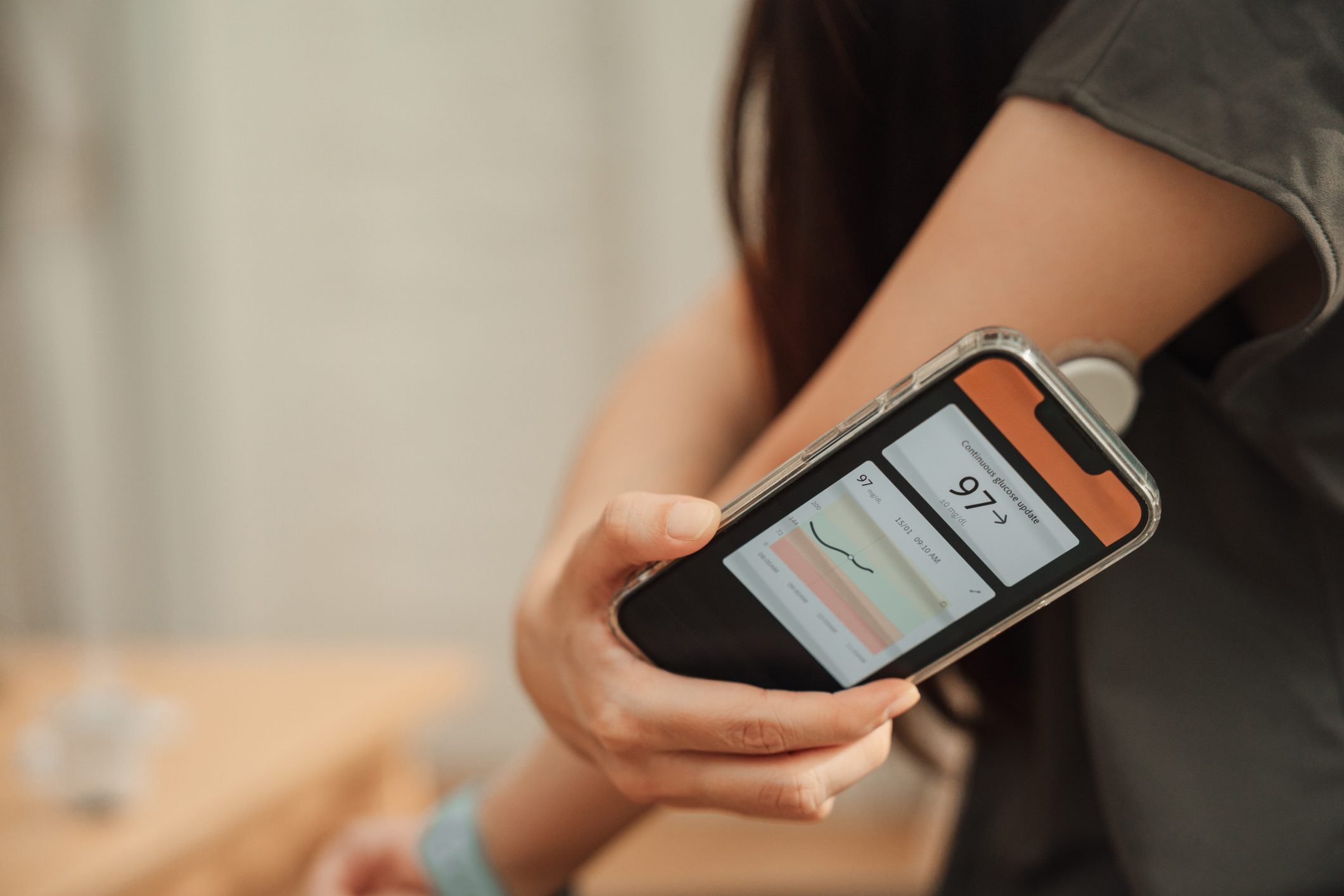
Dexcom marketed the G7 as one of the most accurate glucose monitoring (CGM) systems. It has been touted as an “easier way to manage diabetes.” The manufacturer promises “no fingersticks” and “real-time glucose numbers.”
Reports and regulatory actions have cast doubt on the validity of these marketing claims. The attorneys at Wisner Baum understand the importance of reviewing complaints associated with the Dexcom G7, FDA recalls of the device, adverse event reports, and legal actions taken by users.
As details of potential issues with the Dexcom G7 continue to emerge, patients and healthcare providers are encouraged to review the information to determine whether the device has caused any adverse health effects or is safe for continued use. Individuals who suffered harm from the device may be eligible to pursue legal claims against the manufacturer and are encouraged to seek legal counsel.
What the Dexcom G7 Promised
Since its FDA clearance on December 8, 2022, Dexcom’s marketing materials and public statements have made various claims about the Dexcom G7. The continuous glucose monitoring system has been marketed as the “most accurate” and “most powerful” in the United States. It promised “no fingersticks” and emphasized its connectivity, making for a more seamless patient experience.
Major marketing claims made by Dexcom about the G7 system:
- Most accurate continuous glucose monitoring system (CGM) cleared by the FDA.
- Contains an overall Mean Absolute Relative Difference (MARD) of 8.2%.
- Promised “no fingersticks, scanning or calibration.”
- “Part of the most connected CGM ecosystem in the world.”
- Real-time connectivity.
- The “most powerful, easy-to-use CGM available for people with diabetes.”
- Fastest sensor warm-up.
- Dexcom’s “smallest, most accurate, and easiest to use” glucose monitoring system.
Documented Issues With the Dexcom G7 System
While claims persist that the Dexcom G7 is the most accurate continuous glucose monitoring system cleared by the FDA, reports of problems and issues continue. These reports stand in contrast to Dexcom’s marketing claims. Legal documents allege that some Dexcom G7 accuracy issues have resulted in serious injury.
Dexcom G7 recalls, issues, and complaints:
- First FDA Recall: In June 2025, the FDA issued a Class I recall for multiple lots of G7 receivers, alleging that defective foam or an assembly error caused the speaker to lose contact with the circuit board. The defect resulted in missed audible alerts for low or high glucose levels, which may lead to serious injuries, including seizures, vomiting, loss of consciousness, or death. A Class I recall is the most serious type of recall issued by the FDA.
- Second FDA Recall: In September 2025, the FDA issued a Class I recall for the Dexcom G7 apps due to a software design defect that prevented users from being alerted to an unexpected sensor failure. Instead, the app would stop reporting glucose values and display the “Start Sensor” screen or “No active sensor” message without alerting the user.
- FDA Investigation: In March 2025, the FDA reported that inspections of Dexcom’s facilities found that the G6 and G7 continuous glucose monitors were adulterated. An investigation revealed that the manufacturer had allegedly made an unauthorized design change to the devices, resulting in them being less accurate.
- Reported issues: According to an in-depth investigation into problems with the Dexcom G7 by Hunterbrook, healthcare providers reported issues with the devices, including adhesive problems, inaccurate sensors, issues with connectivity, and other failures.
While Dexcom continues to promote its G7 continuous glucose monitoring system as the “most accurate” CGM, recalls, investigations, and legal claims have called into question its reliability. Reported sensor failures have led to missed low or high glucose levels.
When these alerts are missed, they can cause hypo- or hyperglycemia. These conditions are potentially life-threatening and have been associated with serious outcomes, including hospitalizations and reported deaths. It is alleged that Dexcom was aware of potential issues arising from an unauthorized design change to the sensor coating, which the FDA has identified as making the devices adulterated.
Where the Dexcom G7 Falls Short
Issues with the Dexcom G7 have raised questions about the validity of the manufacturer's marketing claims.
- Accuracy: Dexcom repeatedly marketed the G7 as the “most accurate” CGM cleared by the FDA, despite an independent, peer-reviewed comparative study reporting a lower MARD for Abbott’s FreeStyle Libre 3.
- Experience: Dexcom promised a “seamless experience” for users, but reports show that there have been a number of sensor failures, adhesive problems, and connectivity issues.
- Fingersticks: One of the most commonly repeated claims is that the G7 requires “no fingersticks.” However, fingersticks are required for diabetes treatment decisions if “symptoms or expectations do not match readings.”
Dexcom G7 complaints allege that issues with the device have caused serious harm, including hospitalizations and death. Plaintiffs allege that the device does not provide accurate readings, despite ads and marketing to the contrary.
Implications for Patients and Healthcare Providers
It is alleged that marketing claims made by Dexcom about its G7 device do not match real-world performance. Reports from patients, providers, and regulators indicate that device defects led to missed alerts and inaccurate glucose readings. These inaccurate readings may have resulted in improper dosing decisions and potentially caused serious health conditions such as hyper- or hypoglycemia.
Healthcare providers and patients concerned about the accuracy of Dexcom’s G7 continuous glucose monitor are encouraged to remain vigilant by reviewing information as it comes out and seeking legal counsel if an inaccurate reading results in harm. Providers should consider backup monitoring strategies and counsel patients on the issues raised, including that it has been the subject of numerous user complaints and reports in online patient forums.
Legal and Regulatory Developments Around the Dexcom G7
Not only has the device been the subject of two Class I recalls by the FDA, but concerns about Dexcom G7 failed sensors and other issues have led to a class-action lawsuit. The lawsuit alleges that Dexcom's continuous glucose monitoring systems (G6 and G7) contain an unauthorized material change, making them adulterated. The adulterated devices are reportedly less accurate after alteration following FDA approval. The Dexcom class action lawsuit is ongoing.
What You Should Do If You Use a Dexcom G7
Current or prospective Dexcom G7 users are encouraged to speak to their healthcare provider about safety issues associated with the device and to employ backup monitoring systems to ensure accurate glucose readings.
What to do if using a Dexcom G7 continuous glucose monitoring system:
- Check whether the Dexcom G7 receiver or sensor is affected by a recall or correction. Individuals can check the receiver here.
- If the receiver was affected, contact Dexcom Technical Support at 1-844-478-1600 to receive a replacement.
- Test device functions every time the receiver is charged. Critical functions include the speaker, vibration, and visual systems.
- Monitor for any unusual activities, including erratic readings, frequent corrections, or adhesive failures.
- Use a backup monitoring system, particularly if readings do not match expectations or symptoms.
- Communicate regularly with your healthcare provider to ensure data can be correctly interpreted and a backup system can be established if glucose readings appear inaccurate.
Taking Action After Dexcom G7 Malfunctions
If you believe that your Dexcom G7 has malfunctioned, it is important to act quickly. Inaccurate readings can result in serious injury, including improper dosing of medication. Individuals who have suffered harm after a Dexcom G7 device failure are encouraged to contact Wisner Baum for a free, no-obligation consultation. Patients harmed by the device may be able to join ongoing litigation efforts against the manufacturer, including a pending class action lawsuit.
Frequently Asked Questions (FAQs)
Q: Was the Dexcom G7 recalled?
A: Multiple lots of Dexcom G7 receivers were the subject of a class I recall by the FDA. According to the federal regulator, defective foam or an assembly error may have caused the receiver speaker to lose contact with the circuit board. This may lead to missed alerts for high or low blood glucose levels.
Q: Does the Dexcom G7 still require fingersticks?
A: While the Dexcom G7 was heavily marketed as requiring “no fingersticks,” the manufacturer notes that they are still required “for diabetes treatment decisions if symptoms or expectations do not match readings.” Questions about the accuracy of the device, including sensor failures, have caused some to continue finger-sticking or employ backup monitoring systems to ensure high or low glucose alerts are not missed.
Q: Can I get compensation if my Dexcom G7 produced an inaccurate reading?
A: Patients who suffered harm due to an inaccurate reading from their Dexcom G7 may be able to seek compensation from the manufacturer. Individuals affected by the defective device are encouraged to seek legal counsel.
Q: Have there been multiple recalls of the Dexcom G7 CGM?
A: Two separate Class I recalls have been issued for the Dexcom G7 continuous glucose monitor. The first was issued for multiple receivers related to a potential defect with the speaker, resulting in missed alerts. The second involved the smartphone app and was initiated in July 2025, with the FDA posting the Class I recall in September. According to the recall, a software design error failed to alert users to an unexpected sensor failure.
Q: Should I still use my Dexcom G7 device?
A: The decision to use and trust the readings of a Dexcom G7 device is best left between you and your healthcare provider. However, all Dexcom G7 users should be aware of documented accuracy issues, Class I recalls, and an FDA investigation into the unauthorized change of a critical device component. Users should regularly test the device's functions to ensure they are working, including sound and visual displays. Additionally, if a device reading does not match symptoms or expectations, it is best to verify glucose levels before making treatment decisions. Any inaccurate readings should be reported to a healthcare provider.