In November of 2025, one of the world’s leading cancer research organizations announced what many scientists and public health advocates have long suspected: atrazine, one of the most widely used herbicides in the United States, is probably carcinogenic to humans.
After the World Health Organization's International Agency for Research on Cancer (IARC) reviewed published scientific literature, officials concluded that there is a link between atrazine exposure and non-Hodgkin lymphoma (NHL), a serious blood cancer that affects tens of thousands of Americans each year.
If you or someone in your family developed non-Hodgkin lymphoma after exposure to atrazine, you may qualify for an atrazine lawsuit against Syngenta. Whether you were exposed to this hazardous herbicide while working in agriculture, residential lawn care, groundskeeping, or other means, the toxic tort attorneys at Wisner Baum are here to help you secure full and fair compensation.
Our toxic tort lawyers secured roughly $2.4 billion in jury verdicts in litigation against Monsanto (now Bayer), alleging similar harm from exposure to Roundup. We are now investigating claims against Syngenta and other atrazine manufacturers who may have followed the same corporate playbook of failing to warn consumers of known danger.
Contact our atrazine lawyers today for a free and confidential case evaluation. We represent people on a contingent fee basis, which means if we don’t win, you don’t pay.
What is Atrazine?
Atrazine is a chlorinated triazine herbicide developed by scientists at CIBA-GEIGY (now part of Syngenta) in 1958. Since the 1960s, it has been used extensively across American farmland to kill broadleaf weeds and grasses before they emerge. According to congressional findings in H.R. 9981, the Ban Atrazine Toxicants Act of 2024, approximately 80 million pounds of atrazine are used annually in the United States. It is the second-most widely used herbicide in the country after glyphosate (the active ingredient in Roundup).
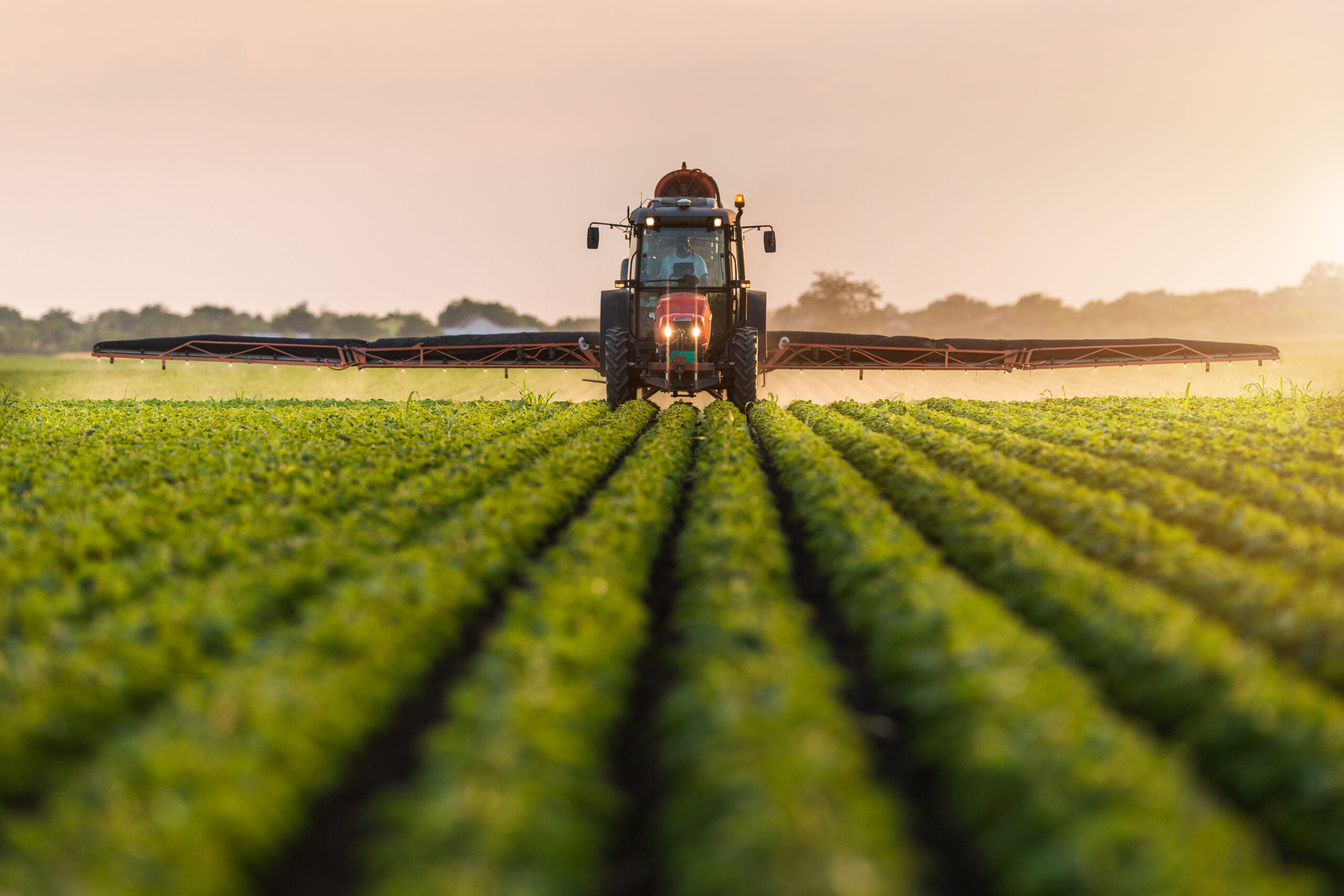
Atrazine works by inhibiting photosynthesis in target plants, effectively starving them of energy. Farmers primarily apply it to corn, sorghum, and sugarcane crops, though it is also widely used on golf courses, residential lawns, and commercial turf. According to the USDA National Agricultural Statistics Service, atrazine is the most widely used herbicidal active ingredient on corn, applied to 65 percent of planted acres.
Key Facts About Atrazine:
- Most commonly detected pesticide in American drinking water.
- Most frequently detected herbicide in urban streams.
- So prevalent, it is found in rainwater, fog, ambient air, Arctic ice, and seawater.
- People have to go to great lengths to avoid exposure.
- A known endocrine disruptor.
- In addition to the cancer link, it can also cause birth defects and fertility issues.
Atrazine Contamination
Atrazine does not stay where it is sprayed. It travels through soil into groundwater. It runs off into streams and rivers. It evaporates into the air and falls back to earth in rain. Unlike many pesticides that break down within days or weeks, atrazine persists in the environment for years — even decades. German scientists reported in 2010 that atrazine remained the most abundant pesticide in groundwater samples nearly 20 years after the country banned it.
This persistence is why atrazine is the most commonly detected pesticide in American drinking water. U.S. Geological Survey data shows that 75 percent of stream water and 40 percent of groundwater in agricultural areas contain atrazine. The herbicide has been detected more than 600 miles from where it was applied.
The European Union (EU) banned atrazine specifically because regulators concluded that groundwater contamination was unavoidable. The contamination was, in the EU's assessment, inherent to the chemical itself.
For communities relying on contaminated water sources, the consequences are ongoing. Atrazine is expensive to remove through water treatment, and many smaller water systems lack the resources to do so effectively. The EPA's maximum contaminant level for atrazine—3 parts per billion—is 30 times higher than the European standard, meaning American water systems tolerate contamination levels that European regulators deemed unacceptable.
Millions of Americans may have been exposed to atrazine in their drinking water without ever knowing it.
Atrazine Exposure: Who Is Most at Risk?
Atrazine is one of the most widely used herbicides worldwide. It is used on a wide variety of crops and on farms throughout the country. Some people are unknowingly exposed to atrazine because they live near areas where the herbicide is applied or because they drink water from a contaminated source.
Individuals who may be at risk of atrazine exposure:
- Agricultural workers: May be at the highest risk of atrazine exposure due to their occupation. In particular, herbicide applicators who regularly apply atrazine may inhale or ingest the substance.
- Farmers: Atrazine is commonly used on crops such as corn, sugarcane, and pineapples. Farmers working with these crops who apply the pesticide to control weeds may be at risk of atrazine-related effects.
- Factory workers: Individuals working in atrazine factories may be at high risk of exposure.
- Individuals living near highways: Atrazine is regularly applied to highways to stop the spread of weeds. Individuals living near these roadways may be at risk of exposure.
- Individuals living near farms or crop fields: Residents living near farms or crop fields where atrazine is applied may be at risk of exposure to the substance. It may contaminate the air, soil, and water near the site of application.
- Individuals who drank contaminated water: Atrazine can seep into water sources, including drinking water wells. Many people unknowingly drink from water sources contaminated with the weedkiller.
- People living near Superfund sites: According to the CDC, atrazine has been found at around 20 Superfund sites across the country. Individuals living near one of these Superfund sites may be exposed to higher levels of atrazine.
Who is Syngenta?
Syngenta, a multinational agricultural corporation headquartered in Basel, Switzerland, invented atrazine and remains its top manufacturer. In 2017, the Chinese state-owned company ChemChina acquired Syngenta for $43 billion, the largest foreign purchase ever by a Chinese state-owned company. While more than 100 companies worldwide now sell atrazine products, Syngenta markets atrazine-only products under the AATREX® brand name and includes atrazine as a component in numerous pre-mixed herbicide formulations.
Syngenta has been atrazine's most aggressive defender. Court documents unsealed in litigation in Madison County, Illinois reveal how Syngenta responded as scientific evidence of atrazine's dangers accumulated. According to internal memos and emails, the company hired detective agencies to investigate scientists serving on federal advisory panels. The company also commissioned psychological profiles of researchers who raised concerns about atrazine safety, and paid academics to produce favorable studies without requiring disclosure of their financial ties to Syngenta.
The Syngenta documents show a company that chose to protect its product rather than protect the people using it, a pattern of conduct that mirrors what our law firm helped expose during the Monsanto Roundup litigation.
Syngenta Class Action Lawsuit Settlement
Syngenta, the company that invented atrazine and remains its primary manufacturer, has previously been held accountable in atrazine contamination lawsuits (these cases are different from current atrazine non-Hodgkin lymphoma lawsuits).
In 2012, the company paid $105 million to settle an atrazine class action lawsuit brought by community water systems across the Midwest. The Syngenta class action lawsuit, filed in federal court in Southern Illinois, alleged the manufacturer knew atrazine would contaminate surface water but sold the product anyway without regard for the cost water providers would bear to filter it out.
Nearly 1,900 community water systems serving millions of Americans were eligible to file claims, and water systems from Illinois, Iowa, Indiana, Kansas, Missouri, and Ohio ultimately received payments.
Does Atrazine Cause Non-Hodgkin Lymphoma?
Yes, according to multiple studies and a scientific review by the International Agency for Research on Cancer (IARC) – part of the World Health Organization. Twenty-two cancer research experts from a dozen different countries found sufficient evidence for resultant cancer in experimental animals, “based on an increase in the incidence of malignant neoplasms in female rats in multiple well-conducted studies.”
In animal studies, IARC officials said atrazine can cause:
- Alteration of normal cell growth
- DNA damage in multiple organs
- Hormone disruption
- Inflammation
- Oxidative stress
- Suppression of the immune system
While IARC found “sufficient” evidence linking atrazine to cancer in animals, they found “limited evidence” of carcinogenicity in humans.
The “limited” classification indicates a positive association between atrazine exposure and cancer, but chance, bias, or confounding factors could not be ruled out with complete certainty. The primary positive association found in human data was for a specific subtype of cancer: Non-Hodgkin lymphoma carrying the chromosomal translocation t(14;18).
What Is Non-Hodgkin Lymphoma?
Non-Hodgkin lymphoma (NHL) is a type of cancer that begins in the white blood cells (lymphocytes) of the lymphatic system. NHL may start in any part of the lymphatic system, including the lymph nodes, spleen, bone marrow, and digestive tract. Treatment for NHL depends on the type and the type of lymphocytes involved.
Types of non-Hodgkin lymphoma:
- B-cell lymphoma: B cells, or B lymphocytes, produce antibodies that fight germs. B-cell lymphoma is the most common form of NHL.
- T-cell lymphoma: T cells, or T lymphocytes, attack germs and abnormal cells; they can also boost or slow immune system cell activity.
In addition to being grouped by where it starts, NHL may also be grouped by how fast it grows and spreads. According to the American Cancer Society, indolent lymphomas grow slowly. The most common type of indolent lymphoma is follicular lymphoma. Aggressive lymphomas grow and spread quickly. Diffuse large B-cell lymphoma (DLBCL) is the most common type of aggressive lymphoma. Some types of lymphoma do not fit neatly into any group, such as mantle cell lymphoma.
How Did IARC Arrive at this Conclusion?
The final IARC Monograph – which will contain the agency’s comprehensive analysis and all of the data it considered – has not yet been published. However, IARC’s announcement of the classification in the Lancet Oncology journal referenced several studies the agency considered in classifying atrazine as a probable carcinogen. The studies, conducted over the last four decades, show a consistent causal association between atrazine exposure and non-Hodgkin’s lymphoma.
Who Qualifies for the Syngenta Atrazine Lawsuit?
If you developed non-Hodgkin lymphoma after exposure to atrazine, you may qualify for the Syngenta atrazine lawsuit. People with potential claims may include:
Farmers and agricultural workers who mixed, loaded, or sprayed atrazine on crops. These applicators typically face the highest exposure levels through inhalation and skin absorption during handling and spraying.
Farmworkers and farm families who lived or worked on farms where atrazine was applied. Exposure occurs through contact with treated fields, drift from nearby applications, and contaminated clothing brought home.
Groundskeepers and landscapers who applied atrazine to golf courses, sports fields, highways, parks, or commercial properties.
Homeowners who used products containing atrazine on residential lawns. IARC noted that contact with treated turf can produce higher short-term exposures than food or drinking water.
If you or someone in your family used atrazine and developed non-Hodgkin lymphoma, contact us today for a free and confidential case evaluation.
Is Atrazine Dangerous?
Yes, especially for workers who spray atrazine. Congressional findings state plainly that atrazine “has been linked to cancer, birth defects, and reproductive harm.” The scientific evidence supporting these conclusions has accumulated over decades. Below are some of the harms associated with atrazine exposure:
Endocrine Disruption: Atrazine is an endocrine disruptor, which means that it interferes with the body's hormonal system. The endocrine system regulates virtually every biological process, from brain development to reproduction to immune function. Chemicals that disrupt this system can cause harm at very low doses, sometimes lower than traditional toxicology testing detects.
Reproductive and Developmental Harm: Studies have linked atrazine exposure in drinking water to increased risks of small-for-gestational-age babies and birth defects, including choanal atresia, gastroschisis, spina bifida, cleft lip, congenital heart defects, and urogenital abnormalities.
Hormonal Disruption: Research comparing women in Illinois (high atrazine use) to women in Vermont (low atrazine use) found that Illinois women experienced more menstrual irregularities, longer follicular phases, and decreased hormone levels. In animal studies, atrazine reduced testosterone, luteinizing hormone, and follicle-stimulating hormone levels.
Immune System Suppression: The November 2025 IARC assessment found strong evidence that atrazine suppresses the immune system. In laboratory studies, atrazine decreased leukocyte counts and effector T cells while increasing regulatory T cells. These changes can impair the body's ability to detect and destroy cancer cells.
Oxidative Stress and Inflammation: IARC also concluded that atrazine causes oxidative stress and inflammation, increasing reactive oxygen species and damaging DNA. These are recognized mechanisms through which chemicals cause cancer.
Is Atrazine Banned?
Yes. At least 60 countries have banned atrazine, according to the Center for Biological Diversity.
The European Union banned atrazine in 2004 because regulators determined groundwater contamination was ubiquitous and unpreventable. Syngenta could not demonstrate that atrazine levels would stay below 0.1 micrograms per liter, a standard 30 times stricter than the U.S. limit.
Switzerland, where Syngenta is headquartered, followed with its own ban in 2012. France has gone further, enacting a 2022 law that forbids not just the use of banned pesticides like atrazine, but their manufacture and export as well.
Meanwhile, despite these international restrictions, atrazine remains readily available in the U.S. Investigative reports have documented that Syngenta continues to manufacture atrazine in Europe for export to countries with weaker regulations, selling abroad what it is not permitted to sell in its home country.
Similarities Between Monsanto and Syngenta Lawsuits
The parallels between Syngenta's conduct with atrazine and Monsanto's conduct with Roundup are striking.
Both companies:
- Make and sell herbicides that IARC classified as probable human carcinogens linked to non-Hodgkin lymphoma.
- Faced mounting scientific evidence of cancer risk over many years.
- Launched aggressive campaigns to discredit independent researchers who raised safety concerns.
- Funded studies favorable to their products.
- Relied on regulatory approvals influenced by industry-funded science.
- Continue to sell their products to American consumers while they are banned or restricted in other countries.
In the Roundup litigation, Wisner Baum was instrumental in publishing internal documents known as the “Monsanto Papers.” These court documents revealed that Monsanto had ghostwritten scientific studies, attacked scientists who questioned Roundup's safety, and worked behind the scenes to influence regulators.
When our attorneys presented these documents to juries in the first three Roundup cancer trials, juries returned verdicts totaling approximately $2.4 billion.
Similar documents have already emerged in atrazine litigation, showing Syngenta's efforts to investigate, profile, and undermine its scientific critics, among other similar tactics.
Monsanto has faced accountability by paying nearly $11 billion to settle lawsuits. Our atrazine cancer lawyers believe Syngenta should also face accountability for knowingly selling a toxic product.
Why Wisner Baum Atrazine Attorneys Should Handle Your Syngenta Lawsuit
Wisner Baum has proven successful in major litigation against corporate agrochemical companies. When Dewayne “Lee” Johnson, a California school groundskeeper with terminal non-Hodgkin lymphoma, sued Monsanto, Wisner Baum tried his case. Managing partner R. Brent Wisner served as co-lead trial counsel for Mr. Johnson, obtaining a $289 million verdict in the first case presented to a jury alleging that Roundup caused cancer.
When Alva and Alberta Pilliod, a married couple who both developed NHL after decades of Roundup use, needed trial attorneys, Wisner Baum again served as co-lead trial counsel. The jury returned a $2.055 billion verdict—one of the largest personal injury verdicts in America for 2019.
Wisner Baum is the only law firm that served on the trial teams for all three of the first Roundup cancer cases to reach a jury.
Combined verdicts: roughly $2.4 billion.
The firm played a central role in the approximately $11 billion settlement resolving roughly 100,000 cancer claims.
But the Monsanto herbicide litigation did more than secure compensation for cancer victims. It exposed how Monsanto operated: ghostwriting studies, attacking scientists, and manipulating regulators.
Our work helped change how the world views glyphosate and the company that makes it.
Now, our toxic tort lawyers are taking the fight to Syngenta. We understand the science linking pesticides to cancer. We know what it takes to find those damaging internal documents in discovery. We have experience deposing agrochemical executives and cross-examining industry experts. Most importantly, we know how to present complex scientific evidence to juries, so they understand the dangers we allege on behalf of our clients.
You should not have to suffer the financial burden of a cancer diagnosis that may never have happened if you had been warned about the risks. Corporations that put profit over human health should be held responsible. Join us today by calling (310) 207-3233 or filling out our free atrazine lawsuit evaluation form.