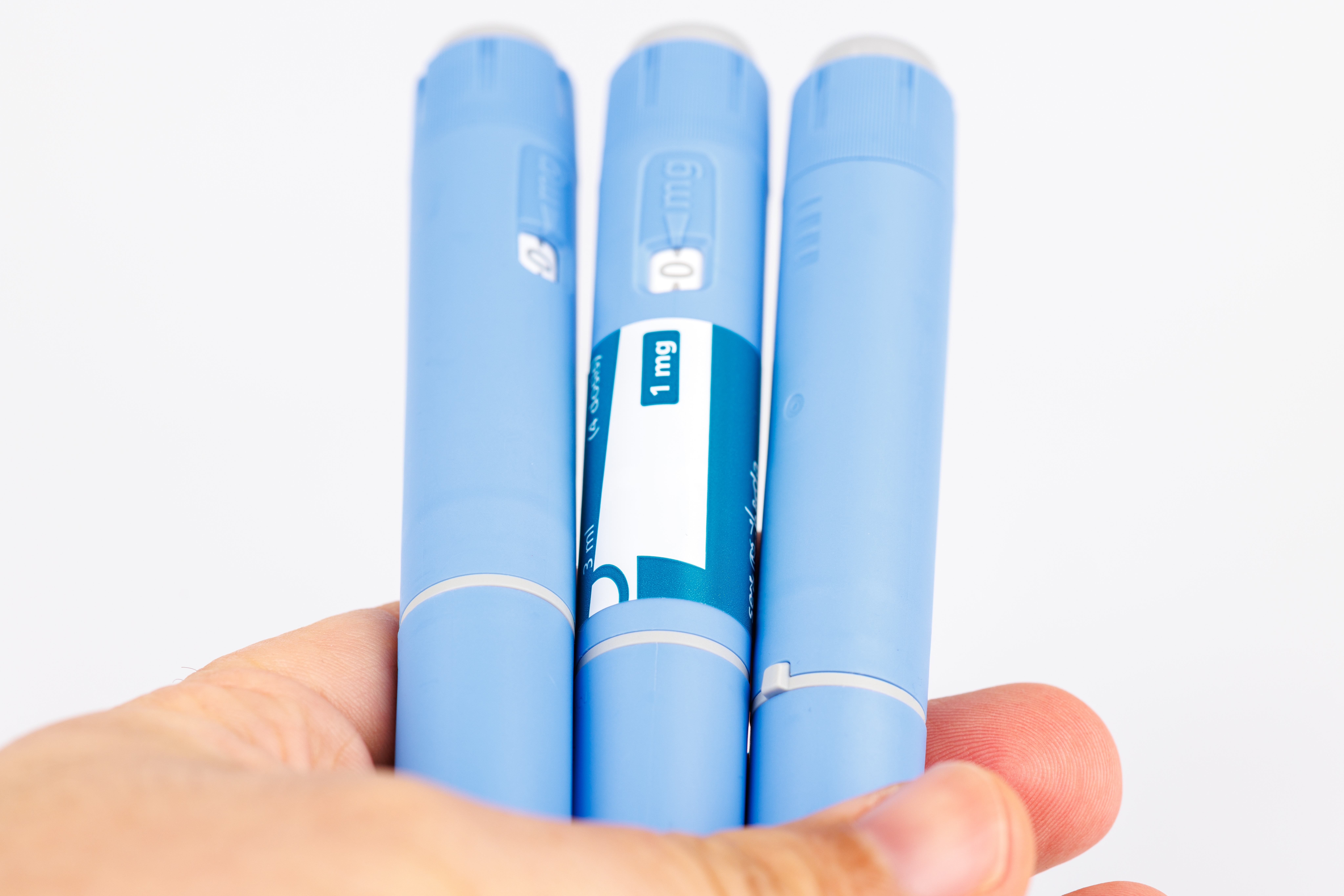
Belonging to what are considered a groundbreaking class of drugs for weight loss and the management of type 2 diabetes, Mounjaro and Ozempic have dominated the headlines. In a short amount of time, the number of prescriptions for these drugs has grown rapidly. Millions of adults have at some point taken a glucagon-like peptide-1 (GLP-1) receptor agonist drug, including Mounjaro (tirzepatide) and Ozempic (semaglutide).
While initially marketed and prescribed to manage type 2 diabetes, the drugs are often used off-label for weight loss. Despite the increase in popularity, some have raised concerns over dangerous potential side effects resulting in thousands of lawsuits filed nationwide.
This article will discuss the meteoric rise of GLP-1 drugs, the differences between two of the most popular, Mounjaro and Ozempic, and why people have filed lawsuits against the manufacturers.
What Are Mounjaro and Ozempic?
According to a study out of the University of Georgia, the rate of type 2 diabetes has increased 20% in just ten years. Additionally, the U.S. Centers for Disease Control and Prevention (CDC) estimates that there 98 million people or more than 1 in 3 people that are prediabetic. In an effort to combat this epidemic, a class of drugs named glucagon-like peptide-1 (GLP-1) receptor agonists were introduced. These drugs, also known as incretin mimetics, work by mimicking the effect of naturally occurring hormones in the body.
Understanding the similarities and differences between Mounjaro and Ozempic:
- Mounjaro (tirzepatide): a dual action glucose-dependent insulinotropic polypeptide(GIP) and GLP-1 drug manufactured by Eli Lilly and Company. FDA approved once weekly injectable used to manage type 2 diabetes in adults.
- Ozempic (semaglutide): a GLP-1 receptor agonist manufactured by Novo Nordisk and FDA approved to treat type 2 diabetes in adults through once weekly injections.
In addition to being prescribed to manage type 2 diabetes both drugs are often used off label to treat obesity or aid in weight loss.
Similarities Between Mounjaro and Ozempic
Many people wonder if Mounjaro is the same as Ozempic. According to Health, Ozempic and Mounjaro have several similarities. The incretin mimetics help to control blood sugar and may promote weight loss. In addition, the drugs have prefilled pens and are once-weekly injections.
Similarities between Mounjaro and Ozempic:
- Delivery: Prefilled pens.
- Use: Improve blood sugar, insulin sensitivity, and weight management.
- Off-label Use: Both used off-label for weight loss.
- FDA Approval: Primarily used to treat type 2 diabetes in adults.
- Injectable: Once-weekly injectable medication.
- Cardiovascular Risk: Both reduce the risk of major cardiovascular events.
- Side Effects: Have similar adverse side effects including nausea, vomiting, and more.
Differences Between Mounjaro and Ozempic
While Mounjaro and Ozempic have some similarities, they also have a number of differences. Individuals considering these drugs are encouraged to speak with a healthcare provider about the advantages and disadvantages of each.
Differences between Ozempic and Mounjaro:
- Mechanism of Action: Ozempic is a GLP-1 receptor agonist, mimicking only one hormone. Mounjaro is a dual acting GIP and GLP-1 receptor agonist.
- FDA Approval: While both are approved for type 2 diabetes, only Ozempic is approved to help reduce the risk of major cardiovascular events.
- Dosage: Ozempic comes in prefilled pens containing four doses of either 0.5 mg, 1 mg, or 2 mg. Mounjaro comes in single-use injectable pens beginning at 2.5 mg and goes up to 15 mg.
- Change in A1C: According to the manufacturer’s website, Mounjaro was more effective at lowering A1C compared to Ozempic. A 15 mg dose of Mounjaro reduced a person’s A1C by 2.3% on average compared to a 1.9% decrease after a 1 mg dose of Ozempic.
- Cost: In general, Mounjaro is more expensive compared to Ozempic.
How Much Do Ozempic and Mounjaro Cost?
Ozempic and Mounjaro can be cost prohibitive to patients without commercial insurance. According to the manufacturer’s website, Ozempic costs $499 for a one month supply for uninsured or self-pay patients. Patients who are prescribed Ozempic that is covered by insurance may pay as little as $25 for up to a three-month prescription.
The list price for Mounjaro is $1,079.77 per fill. Patients, however, may be eligible for the Mounjaro Savings Card Program if they have commercial insurance. Eligible patients may receive a one- to three-month supply of Mounjaro for as little as $25.
Medicare patients may be covered for either drug but only if prescribed for management of type 2 diabetes, not weight loss.
Which is Better?
One of the most common questions people ask is which drug is better. Patients deciding whether to take Ozempic vs Mounjaro should consult with a healthcare professional to determine which may be the right medication. There is no one-size-fits-all solution. Each has its own advantages and disadvantages and both may have serious side effects.
Is Mounjaro better than Ozempic?
- Ozempic has been approved to help prevent major cardiovascular events while Mounjaro has been shown to be more effective for weight loss.
Which is better to lose weight? Ozempic or Mounjaro?
- While Mounjaro is not FDA approved as a weight loss drug, patients may lose up to 25 lbs, according to the company’s website. Patients with an average starting weight of 207 lbs lost on average 25 lbs taking a 15 mg dose of Mounjaro compared to 13 lbs on a 1 mg dose of Ozempic.
How to Decide Between Mounjaro and Ozempic?
The decision between Mounjaro vs Ozempic is best left to a trusted healthcare provider. It is important to consider all factors including whether the medication is covered by insurance, any absence of availability, effectiveness of the drug, reason for taking the medication and overall cost.
Prior to taking either Mounjaro or Ozempic, patients should consider the side effects of each medication. Both drugs have known complications, some of which can be severe. In some cases, the side effects may cause long-term damage. Individuals taking Ozempic or Mounjaro who experience severe gastrointestinal issues are encouraged to consult with an attorney as soon as possible.
Mounjaro vs Ozempic Side Effects
Mounjaro and Ozempic each have a long list of side effects that can have a serious impact on a patient’s overall health. Known side effects include nausea, vomiting, diarrhea, and constipation. However, legal documents indicate that the drugs may cause more severe complications that can cause long-term health problems or require surgical intervention to repair.
Serious side effects of Mounjaro and Ozempic:
- Gallbladder disease
- Bowel obstruction (ileus)
- Gastroparesis
- Stomach paralysis
- Kidney damage
- Pancreatitis
- Biliary disease
Emerging evidence, including a Research Letter published in JAMA highlights the risk for potential severe gastrointestinal complications associated with taking GLP-1 receptor agonists for weight loss. The UK’s drug regulator is also studying the potential for harmful side effects of GLP-1 receptor agonists after receiving hundreds of reports of acute and chronic pancreatitis, including 10 deaths, from patients taking the drugs for weight loss.
Mounjaro and Ozempic Safety Concerns
The studies outlined above point to the growing evidence that Mounjaro and Ozempic may have safety issues that consumers should know about. The rapid growth in popularity of these drugs illustrates the need for full disclosures about the potential safety risks. Lawsuits filed nationwide allege the manufacturers failed to adequately warn consumers about certain risks associated with the use of the drug.
Before taking Mounjaro or Ozempic, patients should talk to their physician and consider:
- The long-term safety questions raised by the studies mentioned above.
- Boxed warnings evidencing thyroid C-cell tumor risk in rodents.
- Potential side effects noted on the label include pancreatitis, gallbladder problems, low blood sugar, kidney problems, and diabetic retinopathy complications.
- Dangers of taking while pregnant or with a family history of certain thyroid conditions.
Legal Issues and Ongoing Lawsuits with Mounjaro and Ozempic
The makers of Ozempic and Mounjaro continue to face legal claims about the safety issues associated with the use of their drugs. Wisner Baum continues to investigate cases related to injuries caused by Ozempic or Mounjaro. It is alleged that the manufacturers, Novo Nordisk and Eli Lilly knew or should have known about the risks associated with these drugs and failed to warn consumers.
Learn more about the current litigation:
Patients who have suffered severe gastrointestinal problems after taking a GLP-1 receptor agonist may be eligible to take legal action against the manufacturer of the drug and are encouraged to contact Wisner Baum for a free consultation.
What to Do If You Experienced Side Effects
If you or a loved one has experienced severe side effects after taking Ozempic or Mounjaro it is important to seek medical care immediately. Prompt diagnosis and treatment of the condition is critical. Be sure to document any injuries related to the drug and save all medical records. As soon as possible, contact Wisner Baum to speak with an experienced attorney.
Contacting an attorney immediately after adverse symptoms are detected can help to ensure all legal deadlines, including the state-specific statute of limitations are met and evidence is preserved in the case. Contact Wisner Baum now to get started.