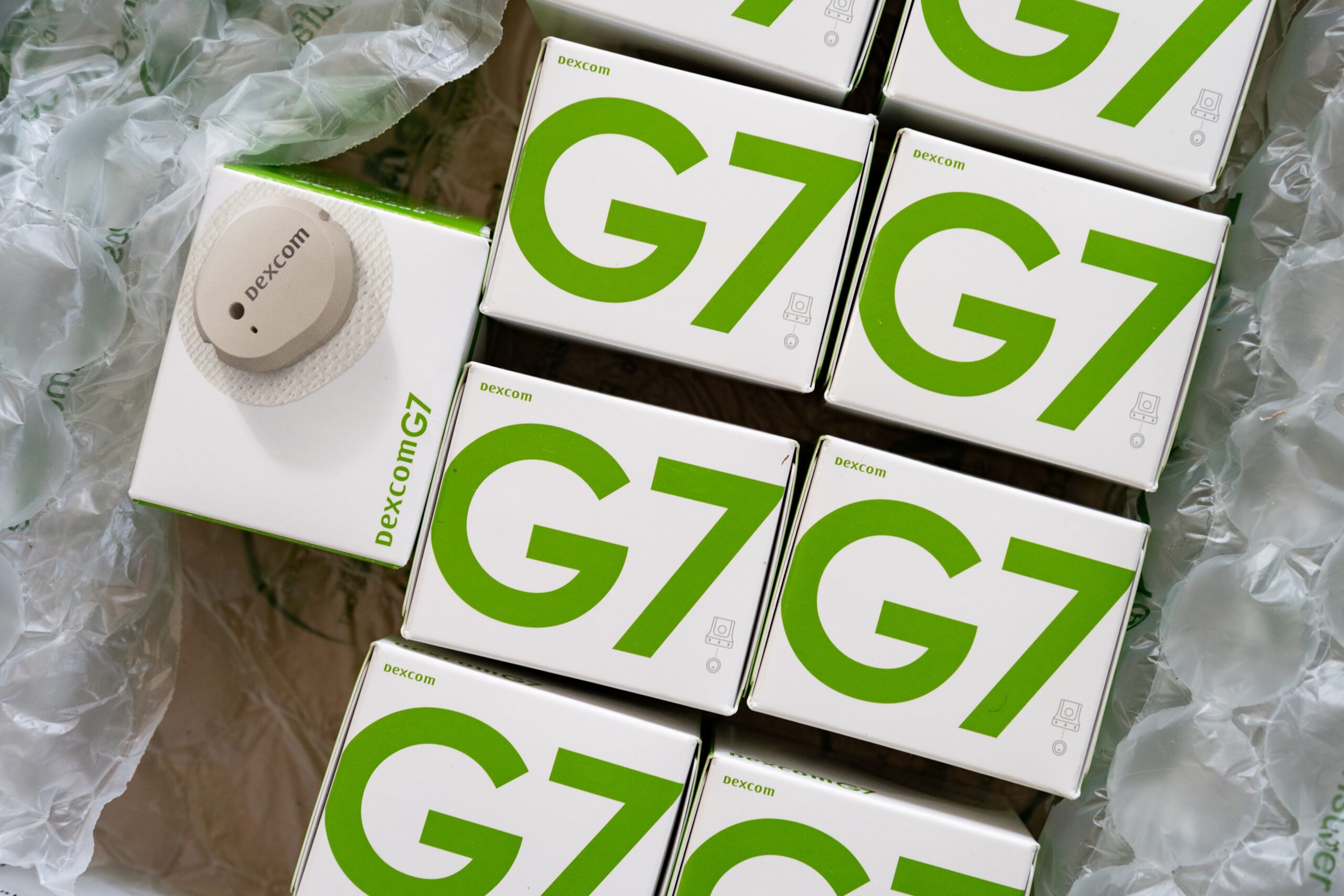
If you depend on a Dexcom continuous glucose monitor (CGM) to manage your diabetes, you need to know about recent revelations that have come to light.
In March of 2025, the U.S. Food and Drug Administration sent Dexcom a warning letter that revealed something troubling: the company had made unauthorized changes to a critical component of its G7 sensors—and those changes caused the devices to fail on every single accuracy metric that Dexcom's own testing measured.
Several thousands of people with diabetes have relied on Dexcom sensors to tell them when their blood sugar is dangerously high or low. They used those readings to decide how much insulin to take. When those readings are inaccurate, it puts people in danger.
In this blog, the injury attorneys at Wisner Baum discuss what people need to know about Dexcom sensor issues and what people can do if they were harmed. Our firm is pursuing a class action lawsuit against Dexcom, alleging the company made unauthorized changes to its CGM sensor materials without required FDA approval, resulting in the sale of “adulterated” products that underperformed, misled consumers, and posed health risks.
If you would like more information on your legal rights, we offer free and confidential case evaluations. Get started today by contacting us online or calling (310) 207-3233.
Brief History of Dexcom CGM Devices
Dexcom has been a major player in diabetes management technology for decades. The medical device manufacturer was founded in 1999, the same year the FDA approved the first continuous glucose monitor (developed by Medtronic). Dexcom went on to introduce its own CGM system in 2006, then steadily improved its technology over the years, launching the G6 in 2018 and earning FDA approval for the G7 in December 2022.
Not long after the FDA approved the G7, Dexcom claimed the device achieved “an overall MARD of 8.2%,” making it “the most accurate CGM cleared by the FDA.” On its website, Dexcom emphasized:
“Having accurate readings is extremely important when you depend on readings to make diabetes management decisions. Dexcom G7 is highly accurate when your glucose is low or high, and when it's changing quickly, giving you the confidence to make decisions when it's most important.”
Dexcom’s marketing blitz included a Super Bowl commercial featuring Nick Jonas that aired in February 2023, promoting the G7 as accurate, reliable, and life-changing. For many people living with diabetes, the device appeared to represent freedom from constant fingerstick testing and anxiety about dangerous blood sugar swings.
But less than a year after that Super Bowl ad aired, Dexcom made a decision that came to undermine everything they had promised.
The Unauthorized Change That Attorneys Say Put Patients at Risk
In December of 2023, Dexcom decided to replace a key external sensor material with an in-house formulation.
“This was not a slight tweak,” says attorney Behram Parekh. “The material in question is a critical component that directly affects how the sensor measures glucose levels. FDA requires a new premarket notification for any major change. This is called a 510(k) submission, and it needs to be filed at least 90 days before the modified device enters the market.”
But according to the class action, Dexcom never filed that notification. Instead, the company allegedly made the change, manufactured sensors with the new material, and distributed them to patients without informing the FDA.
The company conducted two clinical studies on sensors built with the new material, and both studies showed that the modified sensors had “significantly greater variability” when compared to sensors made with the original, FDA-approved material. To put it more simply, the CGM readings were less consistent and less reliable.
FDA Inspectors Confirm Dexcom Accuracy Issues
When FDA inspectors examined Dexcom's California and Arizona facilities, they uncovered serious violations, which led to the March 4, 2025 formal warning letter. The agency detailed its findings:
Dexcom CGM devices were adulterated: Under federal law, the modified G6 and G7 sensors didn't have approved premarket applications in effect. Because Dexcom made major changes without FDA clearance, the devices were legally adulterated.
The devices were misbranded: The company introduced modified devices into interstate commerce without submitting the required premarket notification.
The risk to patients was real: According to the FDA, “The larger inaccuracies in [new material]-coated sensors cause higher risks for users who rely on the sensors to dose insulin or make other diabetes treatment decisions.”
Dexcom failed to validate manufacturing processes: The company failed to properly validate its manufacturing process for glucose concentration measurements—the core function of the device. Dexcom also failed to establish adequate procedures for evaluating and validating design changes before implementing them.
The FDA concluded that “the variability differences could significantly affect the safety or effectiveness of the device” and required Dexcom to submit new premarket notifications for both the G6 and G7. While Dexcom committed to ceasing distribution of G7 sensors with the new material, the company's response didn't address G6 sensors or commit to filing new premarket submissions for either device.
Real People Reporting Real Problems After Dexcom Inaccuracies
Newsweek published an article in October of 2025. In it, several people spoke about the issues they experienced using Dexcom CGM devices:
Janelle Mitchell said her young son would get “super-high or super-low numbers that made no sense.” When tested using finger sticks, she said the readings were 60 to 80 points off.
Aubrie Lewis has a 4-year-old who uses the Dexcom G7. She told Newsweek that it is life-threatening for her son to receive inaccurate Dexcom readings because he does not feel symptoms when his blood sugar spikes or crashes. He “relies entirely on his CGM alarms to stay safe,” she says. After experiencing weeks of erratic readings, Lewis now relies on a diabetes-alert service dog. “He's a huge asset to us,” she said, adding that the dog “beats Dexcom.”
Ashley Raymond said the device app provided a safe reading before a yoga class. But moments later, she collapsed. A finger stick test revealed a dangerously low number that could have led to a seizure.
What You Should Do If You Were Affected
If you purchased a Dexcom G6 or G7 and experienced inaccurate readings, sensor failures, missed alerts, or medical complications, you may be able to pursue a lawsuit. Here are some steps to take:
Document everything: Keep sensor packaging, take screenshots of the app showing inaccurate readings or device failures, medical records documenting hospitalizations or complications related to blood sugar management, and any communications with Dexcom customer service.
Report to the FDA: File a report in the FDA's MAUDE database (Manufacturer and User Facility Device Experience). This creates an official record and helps establish the scope of the problem. File an FDA report here.
Contact Wisner Baum: As we discussed above, we filed a Dexcom class action lawsuit in September of 2025. If you purchased a Dexcom G6 or G7, you may qualify. We are also evaluating personal injury claims associated with Dexcom devices. Get in touch with us today to learn more about the case and your rights.
Wisner Baum Is Pursuing Litigation Against Dexcom
Our firm has decades of experience holding corporations accountable when they prioritize profits over safety. Since 1985, we have obtained over $4 billion on behalf of injured victims in personal injury and wrongful death cases including those involving pharmaceutical fraud, defective medical devices, and more.
We filed the Dexcom class action case to expose wrongdoing, hold the company accountable, and ensure patients are compensated for being sold devices that failed to meet FDA standards and did not perform as promised. If you have any questions about our litigation against Dexcom, please give us a call at (310) 207-3233 or contact us today.