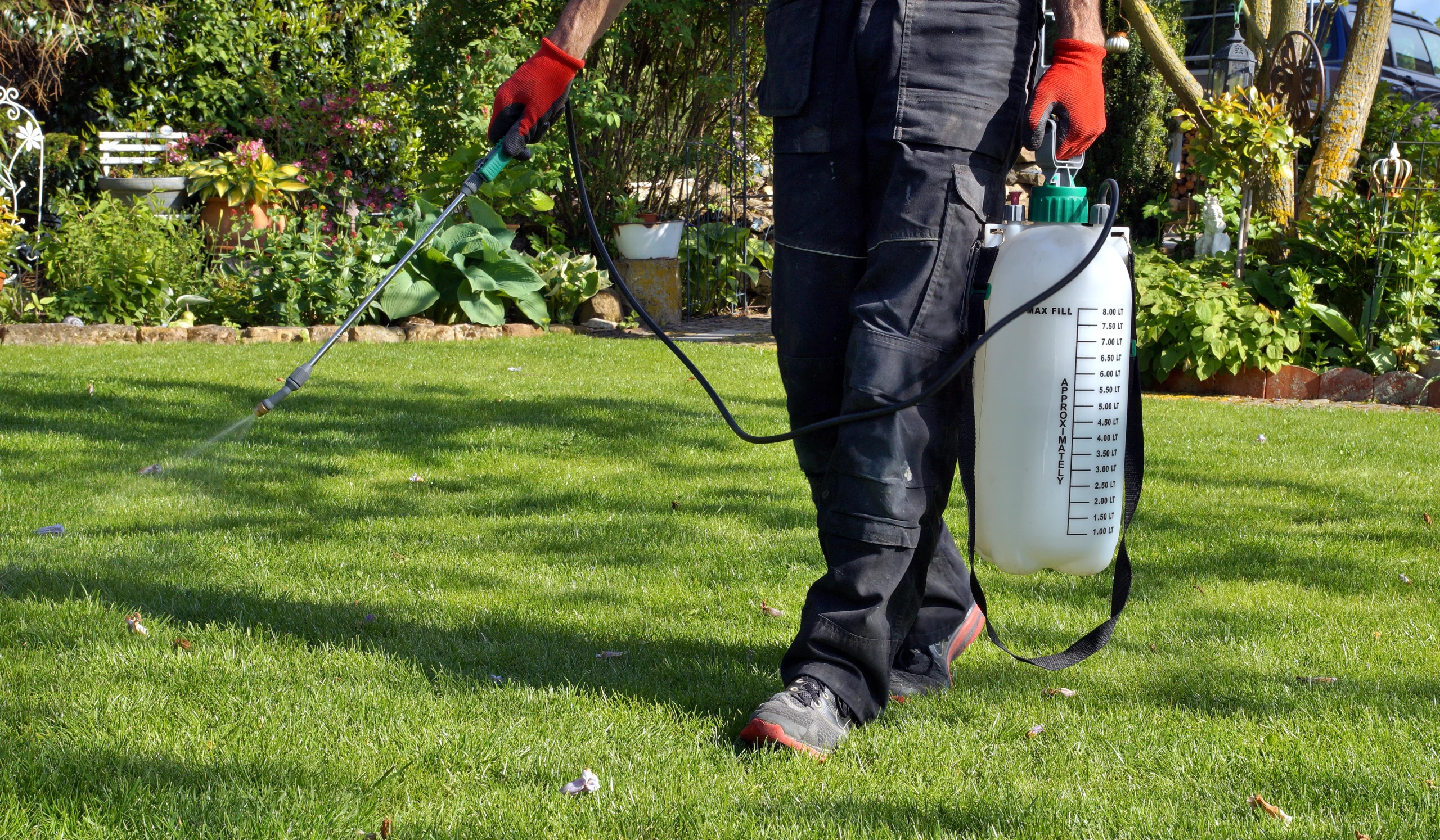
Roundup is a widely used herbicide whose active ingredient is glyphosate. Monsanto’s glyphosate‑based herbicide Roundup has been enormously profitable; the company’s Roundup product line generated approximately $994 million in net sales between fiscal years 2013 and 2014 alone, reflecting its dominance in agricultural and residential markets. Glyphosate is used in about 750 different products worldwide, and its use has increased sharply with the introduction of genetically modified, glyphosate‑resistant crops (e.g., soy, corn, cotton) in 1996, which allow farmers to spray large fields without harming their crops.
Glyphosate has been registered for use in over 130 countries and is now detectable in soil, air, surface water, and groundwater. Farmers drive the majority of Roundup sales, but many homeowners also keep Roundup in their garages or sheds for gardening and lawn care, giving the product both occupational and residential exposure profiles.
Thousands of people across the U.S. have alleged that long‑term exposure to glyphosate (in Roundup and similar products) caused them to develop non‑Hodgkin lymphoma and other serious illnesses. If you believe that Roundup may have played a part in your diagnosis or your loved one’s diagnosis, reach out to Wisner Baum at (310) 207-3233 today.
Current Litigation Status (2026)
Here is a summary of the Roundup lawsuits, which are ongoing:
- Monsanto/Bayer has faced over 192,000 Roundup lawsuits since the start of litigation.
- In 2020, Wisner Baum helped negotiate Roundup settlement agreements worth approximately $11 billion, resolving roughly 60% of cases.
- Wisner Baum managing partner R. Brent Wisner was co-lead trial counsel in two of the first three Roundup cancer lawsuits to go before juries. The trials culminated in jury verdicts worth over $2.3 billion.
- Roundup cancer attorneys obtained roughly $6 billion in combined jury verdicts in 2024 and 2025.
- On February 17, 2026, Bayer announced a proposed $7.25 billion settlement designed to resolve both current and future claims over 21 years, pending court approval.
IARC Monograph and Scientific Evidence
The International Agency for Research on Cancer (IARC) is a World Health Organization agency devoted to cancer research that publishes IARC Monographs on the Evaluation of Carcinogenic Risks to Humans. Each monograph is written by an interdisciplinary, international working group that reviews published studies and publicly available data before assigning a carcinogen category.
The monograph was produced by an IARC Working Group in Lyon, France, and funded in part by IARC‑participating states plus the European Commission, National Institutes of Health (NIH), World Cancer Research Fund, Bill & Melinda Gates Foundation, and several French agencies.
Key findings from the monograph include:
- Strong evidence of an association between glyphosate exposure and non‑Hodgkin lymphoma (NHL) in human studies.
- Sufficient evidence of carcinogenicity in experimental animals, with several animal studies linking glyphosate or glyphosate‑based formulations to increased tumor incidence, including rare tumors in mice and mammary‑gland tumors in rats.
- Strong evidence that glyphosate and glyphosate‑based formulations are genotoxic, meaning they can damage DNA and chromosomes, which is a key step in cancer‑cell formation.
- Strong evidence that glyphosate, AMPA (glyphosate’s environmental breakdown product), and glyphosate‑based products can induce oxidative stress, a process that can lead to chronic inflammation and, ultimately, cancer.
The 2015 IARC glyphosate monograph (Volume 112, IARC Monographs on the Evaluation of Carcinogenic Risks to Humans) has been interpreted by public‑health and litigation‑commentators as suggesting that glyphosate’s U.S. registration should be reconsidered under the EPA’s FIFRA standard of avoiding ‘unreasonable risks to human health and the environment.’
Human‑Exposure Studies and NHL Risk
De Roos 2005 (Agricultural Health Study): The Agricultural Health Study (AHS) tracks cancer and other diseases in private pesticide applicators (mostly farmers) in Iowa and North Carolina, their spouses, and commercial applicators.
De Roos 2005 examined glyphosate use in this cohort and found no statistically significant link between glyphosate and NHL overall, but the study was limited by lack of exposure‑timing data, especially during the 5–6‑year median latency period between exposure and NHL onset.
The same analysis did suggest glyphosate may be associated with multiple myeloma (MM), a blood cancer considered a subtype of NHL, with the highest risk in the most heavily exposed workers. The IARC page notes that this MM pattern “deserves further study.”
Flowers 2004 (AHS‑Based Pediatric Study): This study followed 17,357 children of pesticide‑applicator parents and found increased risk for all childhood cancers, all lymphomas, and Hodgkin lymphoma, reinforcing the idea that early‑life exposure to pesticide‑mixtures may elevate cancer risk.
De Roos 2003 (Case‑Control Meta‑Analysis): Combined three earlier Nebraska case‑control NHL studies (650 cases, 1,933 controls) and found that glyphosate use was significantly associated with increased NHL incidence, with the highest risk among those who used glyphosate most frequently.
The study also showed that the more carcinogenic pesticides a person used, the higher their NHL risk, but this pattern disappeared when glyphosate was excluded from the count of “five or more pesticides,” suggesting glyphosate may be a key driver of the elevated risk.
Canadian Glyphosate‑NHL Study (2001): Compared 517 NHL cases vs. 1,506 controls across six provinces and found that people with more than two days of glyphosate exposure per year were about twice as likely to develop NHL as those with up to two days of exposure.
Animal Data and Genotoxicity
EPA‑conducted mouse studies reviewed by IARC, which showed a significant increase in rare tumors with a dose‑related trend, indicating glyphosate can drive carcinogenesis even in controlled animal models. Rat studies observed tumors of the mammary gland, which the monograph links to glyphosate exposure.
IARC found “strong evidence” that glyphosate or glyphosate‑based formulations are genotoxic in humans, animals, and in vitro systems. Examples include:
- One study measured chromosomal damage before and after aerial spraying with a glyphosate‑containing product, which found significant DNA damage in three of four regions.
- Other studies showing biomarkers of DNA adducts and other chromosomal damage in human cells, mammals, and non‑mammalian organisms.
- Moderate evidence for genotoxicity of AMPA, glyphosate’s breakdown product, which is also found in human urine.
Oxidative Stress and Chronic‑Inflammation Pathway
Glyphosate, AMPA, and formulated products can induce oxidative stress, a “rusting” ‑like process that generates reactive oxygen species capable of damaging cells. A 2010 review in Free Radical Biology and Medicine found that continued oxidative stress can lead to chronic inflammation, and that chronic inflammation can mediate many chronic diseases, including cancer.
Types of Cancer in Roundup Litigation
Roundup cancer lawsuits have been filed for plaintiffs who developed:
- B cell non-Hodgkin lymphoma
- T cell non-Hodgkin lymphoma
- Diffuse large B cell lymphoma (DLBCL)
- Chronic lymphocytic leukemia (CLL)
- Small lymphocytic lymphoma (SLL)
- Follicular lymphoma
- Mantle cell lymphoma (MCL)
- Hairy cell leukemia (HCL)
- Burkitt lymphoma
These lymphomas and leukemias arise from lymphocytes in the lymphatic system and are the most common cancer diagnoses tied to Roundup lawsuits.
If you or a family member has been diagnosed with any of these conditions after using glyphosate‑based herbicides, it is important to speak with a toxic‑tort or mass‑tort attorney as soon as possible to discuss potential claims and applicable statutes of limitations.
Symptoms and When to See a Doctor
If you have been using a glyphosate herbicide, such as Monsanto’s Roundup weed killer, it is important to go see a health care professional as soon as possible if any of these symptoms should develop in order to get a proper diagnosis.
Common symptoms to look out for:
- Swollen, painless lymph nodes in the neck, underarms, or groin
- Persistent fatigue and unexplained weight loss
- Fever and night sweats
- Chest or abdominal pain and shortness of breath
If lymphoma cells grow in bone marrow, they can crowd out healthy blood-forming cells, leading to anemia (low red-blood cells), easy bruising or bleeding (low platelets), and frequent infections (low functioning white blood cells).
Glyphosate Side Effects
Scientists have been able to correlate a number of health issues related to glyphosate exposure, including, but not limited to:
ADHD: The journal Environmental Health Perspectives reported in 2002 that exposure to Roundup [glyphosate herbicide] was linked to attention deficit disorder (ADHD), likely due to the herbicide’s capacity to disrupt thyroid hormone functions.
Alzheimer’s Disease: A study published in the journal Toxicology found that glyphosate exposure can cause the same kind of oxidative stress and neural cell death found in Alzheimer’s diagnosis. It also affects CaMKII, an enzyme whose dysregulation has also been linked to Alzheimer’s.
Autism: A research scientist at MIT says exposure to glyphosate has a number of biological effects that align with known pathologies associated with autism. One of the parallels is gut dysbiosis among children with autism and glyphosate’s suppression of pathogenic bacteria. Glyphosate also promotes the accumulation of aluminum in the brain. Aluminum is a neurotoxin and the established cause of dialysis dementia.
Birth Defects: Glyphosate exposure can disrupt the Vitamin A signaling pathway, which is critical for normal fetal development. A study from Paraguay found that babies born to women living less than a mile from fields sprayed with glyphosate herbicide were more than twice as likely to develop birth defects.
Cancer: The International Agency of Research on Cancer (an agency within the World Health Organization) published a study in 2015 that determined glyphosate is a probable human carcinogen. There is also a meta-analysis study from 2014 published in International Journal of Environmental Research and Public Health and a 2008 Swedish study that link glyphosate and non-Hodgkin lymphoma. Other studies, including a study in Argentina of 65,000 people in farming communities where Roundup is used (communities referred to as “the fumigated towns”), found cancer rates to be two to four times higher than the country’s national average.
Specifically, the study noted increases in breast, prostate and lung cancers. In a comparison of two farming communities—one that sprayed Roundup and another that didn’t—31 percent of residents in the Roundup sprayed community had a family member with cancer. In the community that didn’t spray, only three percent of residents had a family member with cancer.
Celiac Disease: A study of fish exposed to glyphosate herbicide showed that some developed digestive problems similar to those with Celiac Disease. Parallels between glyphosate exposure and Celiac Disease include impairment in enzymes critical to detoxifying environmental toxins, imbalances in gut bacteria, amino acid depletion and certain mineral deficiencies.
Colitis: A Roundup study titled ‘The Effect of Glyphosate on Potential Pathogens and Beneficial Members of Poultry Microbiota in Vitro’ found that glyphosate toxicity could be a significant predisposing factor in the overgrowth of clostridia, an established causal factor in colitis.
Heart Disease: A study published in Entropy found that glyphosate exposure can cause disruption to the body’s enzymes, causing lysosomal dysfunction, which is a factor in heart failure and cardiovascular disease.
Inflammatory Bowel Disease: In the same Entropy study, researchers found that exposure to glyphosate creates a severe tryptophan deficiency in some, which can cause inflammatory bowel disease.
Kidney Disease: Glyphosate herbicide exposure may explain the recent spike in kidney disease statistics among farm workers in India, Central America and Sri Lanka. According to the International Journal of Environmental Research and Public Health: “Although glyphosate alone does not cause an epidemic of chronic kidney disease, it seems to have acquired the ability to destroy the renal tissues of thousands of farmers.”
Liver Disease: A 2009 study showed that very low doses of glyphosate can disrupt liver cell function.
Non-Hodgkin Lymphoma: A paper analyzing nearly 30 years of research on the relationship between Non-Hodgkin Lymphoma (NHL) and occupational exposure to pesticides found a positive association between glyphosate herbicide exposure and B cell lymphoma.
Parkinson’s Disease: Several lab studies show that glyphosate can induce the cell death characteristic of Parkinson’s.
Roundup Verdict Amounts
Since 2018, there have been over two dozen Roundup trials. The majority of cases culminated in wins for Bayer/Monsanto. However, plaintiffs have prevailed in at least 10 trials with jury verdicts in the billions.
2025 Roundup Verdicts
Barnes v. Monsanto Co.
- Plaintiff: John Barnes
- Verdict: $2.065 billion ($65 million in compensatory damages and $2 billion in punitive damages)
2024 Roundup Verdicts
Melissen v. Monsanto Co.
- Plaintiff: William and Margaret Melissen
- Verdict: $78 million ($3 million in compensatory damages and $75 million in punitive damages)
Young v. Monsanto Co.
- Plaintiff: Ryan Young
- Verdict: Monsanto/Bayer Win
Purnell v. Monsanto Co.
- Plaintiff: Debra Purnell
- Verdict: Case discontinued by plaintiff
Kline v. Monsanto Co.
- Plaintiff: Carl Kline
- Verdict: Monsanto/Bayer Win
Cloud v. Monsanto Co.
- Plaintiff: Family of Anthony Cloud (wrongful death)
- Verdict: Mistrial
Cody v. Monsanto Co.
- Plaintiff: Family of Wanda Cody (wrongful death)
- Verdict: Monsanto/Bayer Win
McKivison v. Monsanto Co.
- Plaintiff: John McKivison
- Verdict: $2.25 billion ($250 million in compensatory damages and $2 billion in punitive damages), later reduced to $400 million on appeal
2023 Roundup Verdicts
Jones v. Monsanto Co.
- Plaintiff: Bruce Jones
- Verdict: Monsanto/Bayer Win
Martel v. Monsanto Co.
- Plaintiff: Kelly Jo Martel
- Verdict: $3.5 million ($462,500 in compensatory damages and $3 million in punitive damages)
Anderson et. al v. Monsanto Co.
- Plaintiffs: Daniel Anderson, Jimmy Draeger, and Valorie Gunther
- Verdict: $1.56 billion total ($61 million in compensatory damages and $1.5 billion in punitive damages)
- Anderson: $538 million ($38 million compensatory + $500 million punitive)
- Draeger: $517.5 million ($17.5 million compensatory + $500 million punitive)
- Gunther: $505.6 million ($5.6 million compensatory + $500 million punitive)
Dennis v. Monsanto Co.
- Plaintiff: Michael “Mike” Dennis
- Verdict: $332 million ($7 million in compensatory damages and $325 million in punitive damages), later reduced to $28 million
Caranci v. Monsanto Co.
- Plaintiffs: Ernest Caranci and his wife Carmela Caranci
- Verdict: $175 million ($25 million in compensatory damages and $150 million in punitive damages)
Durnell v. Monsanto Co.
- Plaintiff: John L. Durnell
- Verdict: $1.25 million in compensatory damages upheld on appeal in 2025
McCostlin v. Monsanto Co.
- Plaintiff: Mark McCostlin
- Verdict: Monsanto/Bayer Win
Gordon v. Monsanto Co.
- Plaintiff: Sharlean Gordon
- Verdict: Monsanto/Bayer Win
2022 Roundup Verdicts
Alesi v. Monsanto Co.
- Plaintiffs: Carl Alesi (lead plaintiff) and two additional plaintiffs
- Verdict: Monsanto/Bayer Win
Johnson v. Monsanto Co.
- Plaintiffs: Larry and Gayle Johnson
- Verdict: Monsanto/Bayer Win
Shelton v. Monsanto Co.
- Plaintiff: Allan Shelton
- Verdict: Monsanto/Bayer Win
Stephens v. Monsanto Co.
- Plaintiff: Donnetta Stephens
- Verdict: Monsanto/Bayer Win
2021 Round up Verdicts
Clark v. Monsanto Co.
- Plaintiffs: Destiny Clark, on behalf of her son Ezra
- Verdict: Monsanto/Bayer Win
2019 Roundup Verdicts
Pilliod v. Monsanto Co.
- Plaintiffs: Alva and Alberta Pilliod
- Verdict: $2.055 billion total ($55 million in compensatory damages and $2 billion in punitive damages), later reduced to $87 million.
Hardeman v. Monsanto Co.
- Plaintiff: Edwin Hardeman
- Verdict: $80.2 million ($5.2 million in compensatory damages and $75 million in punitive damages), later reduced to $25.2 million.
2018 Roundup Verdicts
Johnson v. Monsanto Co.
- Plaintiff: Dewayne “Lee” Johnson
- Verdict: $289.2 million ($39.25 million in compensatory damages and $250 million in punitive damages), later reduced to $20.5 million on appeal.
Roundup Settlement Update
Since the $10.9 billion Roundup settlement in 2020, Bayer has continued to face litigation pressure from tens of thousands of remaining claimants. On February 17, 2026, Bayer announced a proposed $7.25 billion class-action settlement — its most significant resolution effort since 2020 — designed to cover both current and future non-Hodgkin lymphoma claims. The settlement requires court approval and runs parallel to a pending U.S. Supreme Court case (Monsanto v. Durnell) that could further reshape the litigation landscape.
Monsanto Roundup Lawsuit Update 2026
The Roundup lawyers at Wisner Baum have not been involved in the Roundup litigation since the $10.9 billion settlement reached in 2020.
June 25, 2026: The U.S. Supreme Court issued a 7-2 ruling in Monsanto Co. v. Durnell, holding that the Federal Insecticide, Fungicide, and Rodenticide Act (FIFRA) preempts state-law failure-to-warn claims when the EPA has approved a pesticide's label without a cancer warning. The decision overturned a $1.25 million jury verdict in favor of John Durnell, a Missouri farmer who developed non-Hodgkin lymphoma after decades of Roundup exposure, and is expected to significantly curtail ongoing Roundup failure-to-warn litigation.
Wisner Baum managing partner R. Brent Wisner, who won the first-ever Roundup cancer verdict in 2018, called the ruling a severe blow to corporate accountability, but emphasized its limits in an interview with The New Lede:
"There is no question that failure-to-warn claims based on the EPA-approved label are over. However, the Court's ruling was limited to just those claims. Cases will become even more difficult against pesticide manufacturers. But if they claim this is the silver bullet to end all litigation, they are just blowing sunshine."
Wisner Baum partner Pedram Esfandiary echoed that assessment in a June 25 appearance on KXAN, clarifying what the ruling does not do:
"It does not mean that you can never sue pesticide manufacturers because their products caused you harm, for example, cancer. You can still very much sue a pesticide manufacturer if exposure to that product causes you some harm, whether it's cancer or Parkinson's or some other kind of serious condition."
June 2, 2026: Wisner Baum attorneys are investigating claims for individuals exposed to chlorpyrifos and atrazine. Chlorpyrifos is an organophosphate insecticide linked to Parkinson's disease, with recent research showing exposure may more than double the risk of developing the condition. Atrazine is a widely used agricultural herbicide associated with non-Hodgkin's lymphoma. Both chemicals were commonly used alongside Roundup on farms and in commercial settings, and individuals previously exposed may be eligible to file a claim.
February 17, 2026: Bayer announced a proposed $7.25 billion class-action settlement aimed at resolving current and future Roundup cancer claims on a nationwide basis. The proposed settlement was filed in the St. Louis Circuit Court in Missouri and, if approved, would create a long-term compensation fund spanning up to 21 years, with declining capped annual payments.
The settlement covers individuals who allege exposure to Roundup prior to February 17, 2026, and who have been diagnosed — or receive a diagnosis within 16 years of final approval — with non-Hodgkin lymphoma. Payouts will be determined through a tiered system based on exposure history, age at diagnosis, and cancer type, with individual awards potentially reaching $198,000 or more.
Separately, Bayer announced confidential settlements resolving additional individual Roundup cases, with reports indicating those agreements total at least $3 billion. Combined with the class settlement, the total resolution effort amounts to approximately $10.5 billion. Bayer also announced it is increasing its overall litigation provisions from €7.8 billion to €11.8 billion to cover these and related PCB settlements.
The proposed class settlement does not require Bayer to admit liability and allows the company to withdraw if too many plaintiffs opt out. CEO Bill Anderson said the settlement, together with the pending Supreme Court case (Monsanto v. Durnell, with oral arguments scheduled for April 27, 2026), represents Bayer's strategy to "significantly contain" the Roundup litigation. Court approval is required before any claims can be paid.
January 7, 2026: The case total in the Roundup MDL did not change much to start 2026. Three total cases were added, bringing the MDL total to 4,511 pending cases.
December 30, 2025: U.S. District Judge Vince Chhabria approved a survival and wrongful death settlement in Roundup MDL-2741, which now includes 4,508 pending cases and 5,236 total actions. He also denied Monsanto's motion for leave to file reconsideration in multiple Wave 8 cases. Plaintiff Phillip Dressel filed a second motion to remand to state court on December 23, with a hearing set for January 29, 2026.
December 26, 2025: Judge Chhabria issued the settlement approval order (Dkt. 21694) and the denial order (Dkt. 21693).
December 23, 2025: Dressel filed the remand motion (Dkt. 21692), supported by declarations and exhibits from depositions and hearings.
December 18, 2025: Monsanto filed answers to complaints, corporate disclosures identifying Bayer AG as an affiliate, and certificates of interested entities for plaintiffs including Francis Mula, Freddie O'Neal, and others (Dkts. 21685-21690). Plaintiff Denise Surette filed an administrative motion to relate cases (Dkt. 21691).
December 16, 2025: Plaintiff Lynn Johnson filed a stipulation for dismissal with prejudice (Dkt. 21684).
December 12, 2025: Monsanto filed additional answers and disclosures for plaintiffs like Dennis Lennard, Walter Hoeft, Jeffrey Biles, Edmond Smith, and Joanne Gyure (Dkts. 21668-21682). The MDL Panel issued a remand order for Kelly-Leppert v. Monsanto (Dkt. 21667) and a transfer order (Dkt. 21683).
November 5, 2025: The Roundup multidistrict litigation (MDL-2741) now includes 4,490 pending cases, with 18 new cases added in October alone. The total number of actions in the MDL stands at 5,218, reflecting ongoing filings and consolidation of claims.
October 30, 2025: A hearing was held on the investor class action seeking final approval of a $38 million settlement, alleging Bayer misled shareholders about litigation risks tied to Monsanto’s Roundup and downplayed related liabilities during its 2018 acquisition. The case is separate from the ongoing Roundup cancer lawsuits, which focus on health-related claims rather than investor losses.
October 8, 2025: The Roundup multidistrict litigation (MDL) remains active with 4,472 cases pending as of early October. While federal case filings continue at a slow pace, much of the recent activity has shifted to state courts, where plaintiffs have secured significant verdicts and settlements.
October 2, 2025: U.S. District Judge Vince Chhabria issued a new order clarifying the admissibility of expert witnesses in the Roundup litigation. The ruling emphasized that Rule 26 reports must stand on their own and that depositions cannot fill in gaps, resulting in some experts being excluded for insufficient analysis while others remain eligible to testify.
October 1, 2025: Bayer investors seek final approval of a $38 million settlement alleging the company misled shareholders about litigation risks tied to Monsanto’s Roundup and downplayed related liabilities during its 2018 acquisition of Monsanto. While the case involves Bayer’s handling of Roundup-related disclosures, it is separate from the ongoing Roundup cancer lawsuits, which focus on health-related claims rather than investor losses. A hearing on the investor class action is scheduled for October 30, 2025.
September 11, 2025: Our law firm has consistently championed transparency and corporate accountability, as evidenced by our work in the Roundup litigation. While we have not been involved in these cases since 2020, we are raising urgent concerns about emerging state and federal legislation we feel is designed to shield pesticide manufacturers from legal accountability.
Right now, Congress is considering language that would effectively prohibit municipal, state, and federal governments from enforcing pesticide warning laws aimed at keeping people safe. It would also prohibit legal cases like those filed by individuals harmed by Roundup (glyphosate) – cases we brought before juries and won over $2 billion in combined verdicts – from being pursued in the future.
“If these laws had been in place in 2018, Johnson's case would have been thrown out before the first witness took the stand," said Wisner Baum senior partner, Michael L. Baum. "There would have been no verdict, no Monsanto Papers, and no public reckoning. Corporate misconduct would have stayed hidden."
Read more about the new industry-backed legislation that could give pesticide companies immunity from toxic torts in our press release.
September 4, 2025: A California federal judge granted a request from plaintiffs' lead counsel in the Roundup cancer litigation to intervene in a separate legal matter involving investors alleging Bayer misled them about the risks of the Monsanto acquisition. Attorneys sought documents to scrutinize what Bayer knew about the Roundup litigation risks and alleged misconduct before finalizing the $63 billion acquisition. The hope is that internal documents may provide new evidence about what both companies knew regarding the risks of Roundup.
August 8, 2025: Bayer announced last week that it has allocated an additional $1.37 billion to address the ongoing Roundup cancer litigation. The company has already paid out over $10 billion in Roundup settlements alleging its glyphosate-based herbicide causes cancer.
In an earnings call, Bayer CEO Bill Anderson said the company will “significantly contain” glyphosate litigation by the end of next year. Anderson added that Bayer is expecting word from the Solicitor General as to whether SCOTUS will take up a Roundup case “in the coming weeks or months.” This summer, the Supreme Court asked the Solicitor General for input on the case in which a plaintiff in Missouri state court alleged his non-Hodgkin’s lymphoma was caused by Roundup exposure.
“This decision keeps intact the broader timeline of having a SCOTUS ruling by summer of next year,” Anderson said.
July 7, 2025: Bayer estimates that over 60,000 cases are pending in the Roundup litigation, including claims filed in state and federal courts.
June 30, 2025: The U.S. Supreme Court requested that the Solicitor General provide the federal government's views on Bayer's petition in the Durnell v. Monsanto case. This is one of the most important developments in the Roundup litigation since the $11 billion settlement in 2020.
Bayer's petition centers on whether the Federal Insecticide, Fungicide, and Rodenticide Act (FIFRA) preempts state failure-to-warn claims related to Roundup. The company argues that federal law should shield it from state lawsuits since the EPA approved Roundup's labeling without requiring cancer warnings.
The Supreme Court's request for the Solicitor General's input signals serious consideration of the case, which could fundamentally alter the litigation landscape. Bayer CEO Bill Anderson called this "an encouraging step," noting that a favorable ruling could largely end the Roundup litigation.
May 28, 2025: The Missouri Court of Appeals affirmed a $611 million verdict awarded to three plaintiffs who alleged Roundup caused their non-Hodgkin lymphoma. The court rejected Bayer's arguments about federal preemption and improper expert testimony, reinforcing the viability of state-law claims.
May 15, 2025: Reuters reports that Bayer is planning to settle some Roundup cases in Missouri. If unsuccessful, the company may file for bankruptcy for its Monsanto unit.
The German multinational corporation estimates it faces 67,000 cases and has set aside $5.9 billion to cover the legal costs.
May 9, 2025: The Pennsylvania Superior Court affirmed a $177.3 million judgment awarded to Roundup plaintiff Ernest Caranci and his wife. The three-judge panel rejected all of Monsanto's grounds for appeal, including claims that the verdict was excessive. Most notably, the court rejected Monsanto's argument that the Federal Insecticide, Fungicide and Rodenticide Act (FIFRA) preempted state-law failure to warn claims.
The original verdict came in 2023 after Caranci developed non-Hodgkin's lymphoma following years of Roundup use. The case (Caranci v. Monsanto) included claims of negligence, strict liability for defective design, and failure to warn.
More than 4,400 Roundup lawsuits are pending in the federal MDL. State court litigation continues to drive the overall Roundup litigation landscape, with recent plaintiff verdicts maintaining pressure on Bayer to resolve remaining claims.
Roundup lawyers note that while Bayer has won numerous defense verdicts, the string of significant plaintiff victories like the Caranci case and the massive Georgia verdict a couple of months ago demonstrate the multinational corporation remains vulnerable to court losses as the litigation drags on.
April 30, 2025: Bayer has renewed its efforts to seek Supreme Court review in the Roundup litigation, arguing that federal law preempts state failure-to-warn claims because the EPA doesn't require a cancer warning label. The Supreme Court previously rejected similar arguments, and legal observers note that the chances of the Court intervening now are slim.
On the legislative front, North Dakota introduced House Bill 1318, which opponents describe as a dangerous, sweeping immunity bill that would block lawsuits brought by individuals alleging harm from pesticides and herbicides. We believe this bill prioritizes corporate interests over public health and consumer protection by preventing people from bringing a case to court when corporations make products that cause harm.
As for upcoming Roundup trials, there are a couple scheduled in May in St. Louis and another multi-plaintiff case scheduled to begin in June in Chicago.
March 24, 2025: A Georgia jury delivered a massive blow to Bayer, ordering the company to pay over $2 billion in damages to John Barnes. Mr. Barnes alleged in his lawsuit that he developed non-Hodgkin's lymphoma after using Roundup.
The jury awarded him $65 million in compensatory damages and $2 billion in punitive damages.
Bayer continues to dispute claims that Roundup causes cancer and has announced plans to appeal the verdict. Despite numerous jury verdicts and its setting aside some $16 billion to settle cases, Bayer continues to “stand fully behind the safety” of its glyphosate-based herbicides.
February 12, 2025: The Roundup MDL before Judge Vince Chhabria in Northern California now has 4,414 pending cases. While new cases continue to be filed in the MDL, there continues to be a notable shift toward state court filings where Roundup cancer attorneys have earned several significant verdicts since 2023.
January 4, 2025: Monsanto appealed a $175 million jury verdict in favor of plaintiff Ernest Caranci. The company challenged several aspects of the 2023 trial, including jury instructions and evidentiary rulings, and cited the Third Circuit's Schaffner decision regarding preemption of failure-to-warn claims.
December 3, 2024: Only 18 cases were added to the Monsanto Roundup MDL last month, bringing the case total to 4,373.
November 1, 2024: There are still thousands of Roundup cases in the MDL. As of today, 4,355 federal cases are pending.
October 11, 2024: A Philadelphia jury has ordered Bayer to pay $78 million to a Pennsylvania resident who developed cancer after using the company's controversial Roundup herbicide. The verdict, including $3 million in compensatory damages and $75 million in punitive damages, interrupts Bayer's recent courtroom wins in Philadelphia. While the agrochemical company had previously prevailed in 14 of 20 Roundup trials, this latest decision adds to a series of substantial verdicts against the company, including a $1.56 billion judgment from November 2023 (later reduced to $611 million) and a $2.25 billion verdict from January 2024 (subsequently reduced to $400 million).
October 1, 2024: The total number of cases in the federal Roundup MDL is now 4,349. However, most new Roundup lawsuits are filed in state courts, not the MDL.
September 28, 2024: The Third Circuit Court of Appeals refused to change its decision from last month that federal law overrides a Pennsylvania law requiring cancer warnings on chemicals.
September 16, 2024: A new Roundup trial, Melissen v. Monsanto, is underway in Philadelphia. The trial is expected to take weeks. We will report on any news once the trial concludes.
September 12, 2024: The Philadelphia jury in Young v. Monsanto found that Monsanto was not responsible for the plaintiff's cancer. Despite this setback, plaintiffs have won 3 out of 5 Roundup trials in Philadelphia with an average verdict of roughly $194 million.
September 4, 2024: A Missouri appeals court agreed with a lower court's decision in the case of Moore v. Monsanto, which went in the defense’s favor.
August 23, 2024: Bayer scored a significant win in the 3rd Circuit Court of Appeals. In a ruling issued last week, the court found that federal pesticide labeling regulations preempt state law. This means that EPA-approved pesticide labels, which do not include a cancer warning for Roundup, override state requirements for labeling.
The ruling stems from a Pennsylvania case that alleged Monsanto/Bayer violated state law by failing to include a cancer warning on the Roundup label. But the 3rd Circuit ruled that federal law for pesticide regulations requires nationwide uniformity.
This decision conflicts with another Appeals Court decision from earlier this year, which found federal law did not preempt state law. Reuters reports that the conflict could lead to the Supreme Court weighing in.
August 16, 2024: 4,311 Roundup lawsuit cases are still open in the MDL.
In other Roundup news, the plaintiff in an Oregon case won a critical appeal last month and will get a new trial. The appellant court reversed a judgment that excluded one of the plaintiff’s experts, Dr. Charles Benbrook, from testifying at trial about EPA pesticide regulations. Specifically, Dr. Benbrook was expected to testify about how EPA and IARC reached differing conclusions about the carcinogenicity of glyphosate.
According to the appellant court order, “[w]e conclude that the trial court erred in excluding certain testimony of Dr. Benbrook and that that error was not harmless.”
July 22, 2024: Bayer is lobbying Congress to protect the company from Roundup cancer lawsuits. The new 2024 farm bill, approved by the House Agriculture Committee, contains wording that would shield Bayer from future litigation and limit states from adding pesticide warning labels. Some call this bill a "get out of jail free" card for Bayer, which has lost several court cases this year. According to a report from the Washington Post, Bayer provided input in drafting the proposed legislation.
July 5, 2024: The plaintiff in a Roundup trial scheduled to begin next week in Philadelphia has voluntarily dismissed the case. The case was filed by a plaintiff whose father died of cancer allegedly caused by Roundup exposure. The trial judge dismissed all but one count alleged in the case, finding that the plaintiff had missed the statute of limitations. With only one viable count, the plaintiff voluntarily dismissed the case but may appeal.
June 5, 2024: A Pennsylvania judge reduced the jury verdict from a Roundup trial earlier this year to $400 million. In January, a jury found that Roundup weed killer caused plaintiff John McKivison’s non-Hodgkins lymphoma and awarded him $250 million in compensatory damages and $2 billion in punitive damages. However, Judge Susan Schulman reduced the compensatory damages to $50 million and punitive damages to $350 million. Bayer says it will continue to appeal the case.
June 3, 2024: Only a handful of cases were added to the Roundup MDL since last month, bringing the total cases to 4,285.
April 8, 2024: The Missouri judge overseeing a Roundup case that culminated in a $1.56 billion jury verdict has reduced the verdict to $611 million. The reduced damages award is for three plaintiffs who alleged exposure to Roundup weed killer caused their cancer.
In November of 2023, a jury in Cole County, Missouri, found Bayer's Monsanto unit liable for negligence and design defects, as well as failing to warn about Roundup's risks. The three plaintiffs, Valorie Gunther, Jimmy Draeger, and Daniel Anderson were awarded $61.1 million in compensatory damages and $1.5 billion in punitive damages, which were to be split equally among them. However, Judge Daniel Green decided to reduce the punitive damages to nine times the amount of compensatory damages ($549.9 million), resulting in a total verdict of $611 million.
Bayer, which sought to toss the verdict, said it will appeal Judge Green’s ruling.
April 2, 2024: Since the start of 2024, there have been over 100 cases added to the Roundup MDL, bringing the case total to 4,281. Bayer estimates that there remain roughly 54,000 pending Roundup cancer claims in various courts throughout the country.
January 26, 2024: A jury in Philadelphia returned a $2.25 billion verdict today in favor of a Pennsylvania man who developed non-Hodgkin’s lymphoma after using Roundup multiple times a year over several years. The verdict, which includes $2 billion in punitive damages and $250 million in compensatory damages, is the latest blow to Bayer, which has lost multiple jury trials over the last several months.
December 29, 2023: Last week, Bayer won at trial in a Roundup lawsuit brought by a California man who alleged he developed cancer after exposure to Roundup weed killer. The defense verdict ended a losing streak for Bayer (formerly Monsanto). Five previous Roundup trials had gone in favor of plaintiffs.
December 6, 2023: Bayer will pay approximately $3.5 million to a Pennsylvania woman after a Philadelphia jury concluded Roundup weedkiller caused her cancer. The trial, which lasted roughly three weeks, culminated in a verdict that included $462,500 in compensatory damages and $3 million in punitive damages. This is the fifth consecutive court loss for Bayer.
November 20, 2023: A Missouri jury delivered a verdict worth $1.5 billion in favor of the plaintiffs in a Roundup trial. This is the second-largest jury verdict in the Roundup litigation (our firm earned a $2.055 billion verdict in 2019). Plaintiffs Dan Anderson, James Draeger, and Valorie Gunther will receive a total of $61.1 million in damages and $500 million each in punitive damages. The plaintiffs allegedly developed NHL after using Roundup.
October 31, 2023: Another significant Roundup verdict. The jury in the case of Dennis v. Monsanto Co.returned a verdict worth over $330 million, including punitive damages. The trial took place in San Diego, California.
October 27, 2023: The jury in the case of Caranci v. Monsanto Co. delivered a $175 million verdict in favor of the plaintiff, which includes punitive damages. The case, filed on behalf of an 82-year-old man who alleged Roundup caused his NHL, was tried in Philadelphia.
October 20, 2023: A St. Louis jury returned a verdict in favor of a 67-year-old plaintiff. The jury found that Monsanto/Bayer failed to sufficiently warn about the potential risks associated with Roundup which the plaintiff alleged caused his non-Hodgkin lymphoma.
June 15, 2023: New York Attorney General Letitia James announced that Monsanto/Bayer will pay a settlement worth nearly $7 million to the state to resolve allegations concerning misleading advertising about the safety of glyphosate weed killers like Roundup.
May 24, 2023: The case of Gordon v. Monsanto Co. culminated in a jury verdict for Bayer/Monsanto. This is the seventh straight win for the defense.
December 14, 2022: The case of Langford v. Monsanto Co. et al. (CGC-21-592238), ended in a confidential settlement before trial. Another case that was supposed to proceed to trial in Hawaii (Pied v. MonsantoCo.) has also been settled.
November 14, 2022: Bayer/Monsanto won another trial, the sixth win in a row. This case, Moore v. Monsanto Co., was tried in St. Louis County Circuit Court.
More trials are upcoming in the next few months.
September 2, 2022: A jury in St. Louis returned a verdict in Bayer’s favor in another Roundup trial. This is the fifth consecutive victory for Monsanto/Bayer.
July 4, 2022: The Ninth Circuit panel unanimously told the EPA to reconsider its conclusion that glyphosate, the active ingredient in Roundup weedkiller, is not an “unreasonable risk to man or the environment.” The court agreed with environmental and food safety advocates that the agency did not fully consider whether Roundup causes cancer. Per the decision, “most studies EPA examined indicated that human exposure to glyphosate is associated with an at least somewhat increased risk of developing NHL,” which contradicts EPA’s conclusion that glyphosate is “not likely to cause cancer.”
June 27, 2022: The Supreme Court denied Bayer’s petition for a writ of certiorari in Pilliod et al. v. Monsanto Co. The Pilliods will retain the $87 million reduced verdict.
June 21, 2022: The Supreme Court denied Bayer’s petition for a writ of certiorari in the case of Hardeman v. Monsanto Co., allowing the final judgment of $25.2 million to remain intact.
June 11, 2022: The jury in Shelton v. Monsanto Co. returned a verdict for the defense.
June 2, 2022: Former Monsanto CEO Hugh Grant gave testimony during the trial of Shelton v. Monsanto Co. Grant said Monsanto did not conduct their own tests to evaluate whether there was a connection between Roundup and non-Hodgkin’s lymphoma.
December 13, 2021: Bayer won another Roundup trial. The case of Stephens v. Monsanto Co., which was conducted over Zoom, culminated in a jury verdict for the defense. Per the verdict, the plaintiff’s use of Roundup was not the cause of her cancer.
November 18, 2021: Bayer won its first trial in California regarding Roundup. The case alleged a child's rare form of non-Hodgkin's lymphoma was caused by his mother's use of the herbicide in her garden. The jury determined that the child's exposure to Roundup was not a significant factor in his cancer. (2023 Update: Bayer reached a confidential Roundup settlement with the plaintiff in this case).
May 14, 2021: The Ninth Circuit Court of Appeals in San Francisco denied Bayer’s appeal in Hardeman v. Monsanto Co.
Learn More About the Glyphosate Cancer Link in Our Roundup Videos
In the videos below, you will find helpful information about the Roundup cancer litigation against Monsanto. The videos can be watched in sequence or you can click on the top left of the video screen or choose below to navigate to the video of your choosing.
Video #1 – Roundup Cancer Attorney R. Brent Wisner Discusses Roundup Lawsuits
In this video, Roundup lawyer Brent Wisner answers some frequently asked questions about the Monsanto litigation:
- What is Roundup?
- Why is Roundup dangerous?
- Does wearing protective gear prevent exposure to Roundup?
- Why has Roundup been banned?
Video #2 – Does Roundup Cause Cancer? – Attorney Brent Wisner Answers Your Questions
In this video, Brent Wisner discusses the mechanisms by which Roundup causes cancer. Learn more about the genotoxicity of glyphosate, oxidative stress and the effect that glyphosate has on human microbiota.
Video #3 – Roundup Cancer Attorney Discusses Personal Passion to Hold Monsanto Accountable
The Monsanto litigation is personal to attorney Brent Wisner, whose father worked with Cesar Chavez to protect farmers and farm workers from dangerous toxins.
Video #4 Monsanto Roundup Weed Killer Linked to Cancer
Wisner Baum Roundup cancer lawyers TV commercial.
Video #5 – Monsanto Roundup Cancer Lawsuit – Jack McCall, Cambria Farmer
KSBY 6 sat down with Teri McCall, who filed a lawsuit against Monsanto alleging exposure to Roundup caused her husband to develop the cancer that ultimately took his life.
Video #6 – Taking on Monsanto: Widow of Deceased Farmer Discusses Monsanto Roundup Lawsuit
Monsanto Roundup lawyer R. Brent Wisner and his client, Teri McCall, were invited to discuss the Monsanto legal cases on KFCF’s ‘Down in the Valley’ radio show, hosted by Lloyd Carter.
Video #7 – Roundup Attorney Michael Baum and Farmer John Barton Discuss Effects of Glyphosate
Attorney Michael Baum, the managing shareholder of Wisner Baum, discusses the science linking Roundup weed killer to cancer, specifically non-Hodgkin lymphoma. John Barton, a third generation Bakersfield farmer, talks about his non-Hodgkin lymphoma diagnosis after many years of using Roundup.
Video #8 – Roundup Cancer Clients and UFW President Arturo S. Rodriguez Highlight Need for Glyphosate Warnings
Teri McCall and Deborah Brooks describe how their husbands were diagnosed with non-Hodgkin lymphoma after being exposed to Roundup. United Farm Workers (UFW) president Arturo S. Rodriguez discusses why California needs to warn farmers and farm workers about the side effects of glyphosate, the active ingredient in Roundup.
Video #9 – Roundup Cancer Attorney Brent Wisner Closing Argument | Johnson v. Monsanto
Award-winning trial attorney Brent Wisner from the law firm of Wisner Baum, delivers the closing argument in the trial of Dewayne “Lee” Johnson v. Monsanto Company.
Video #10 – $289 Million Monsanto Roundup Press Conference
Plaintiff Dewayne “Lee” Johnson gives a statement on the $289 million verdict in the first Roundup cancer trial. Brent Wisner of Wisner Baum (co-lead trial attorney), David Dickens of the Miller Firm (co-lead trial attorney), and Mark Burton of Audet & Partners (Johnson trial team) discuss the verdict and take questions.
Video #11 – Historic Ruling Against Monsanto Finds Company Acted with“Malice” Against Groundskeeper with Cancer – Democracy Now!
California jurors awarded $289 million in a massive verdict against Monsanto in the case of a Bay Area groundskeeper who developed terminal non-Hodgkin’s lymphoma after using Monsanto’s Roundup herbicide. Following the verdict, Brent Wisner, co-lead trial counsel for Dewayne “Lee” Johnson, sat down with Democracy Now’s Amy Goodman to discuss the evidence presented during the Johnson trial, along with the significance of the Monsanto verdict.
Video #12– As EPA Insists Weed Killer Roundup is Safe, a Jury Orders Monsanto to Pay $2B to Couple With Cancer – Democracy Now!
An Alameda jury ordered Monsanto to pay more than $2 billion in punitive damages to Alva and Alberta Pilliod, a California couple diagnosed with non-Hodgkin’s lymphoma after using Roundup on their properties for decades. In this interview with Democracy Now’s Amy Goodman, attorney Brent Wisner, co-lead trial counsel for Alva and Alberta Pilliod, discusses the historic verdict.
Video #13 – The EPA “failed the American public” on regulating Monsanto, says attorney – Democracy Now!
In an appearance on Democracy Now! with Amy Goodman, Brent Wisner discusses the EPA’s stance on glyphosate. “The simple fact is that the EPA has got it wrong on glyphosate…these lawsuits only exist because the EPA has failed the American public for 45 years, and Monsanto is allowed to get away with reckless conduct with essentially impunity.”