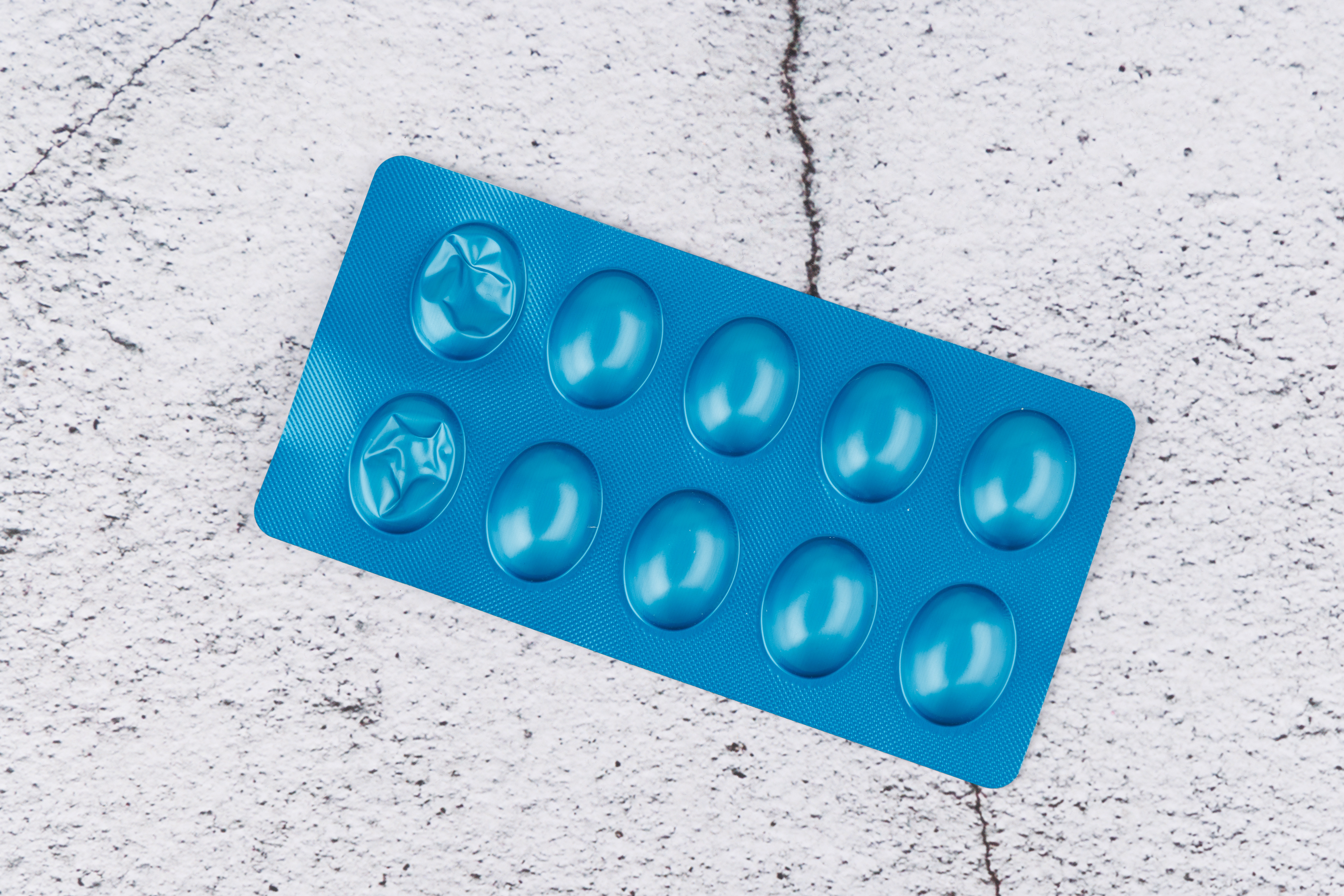
Rybelsus is a semaglutide tablet used to treat type 2 diabetes, taken orally. The prescription medication belongs to a group of drugs known as GLP-1 receptor agonists. Reports of serious side effects related to these drugs, which also include Ozempic and Wegovy, have prompted lawsuits nationwide. Thousands of these claims have been consolidated into multidistrict litigation out of the Eastern District of Pennsylvania. Centralization of these cases into an MDL helps to streamline the pretrial process. At Wisner Baum, our attorneys can help you understand what the Rybelsus lawsuit is, who may qualify, and how to take legal action against the manufacturer, Novo Nordisk. Reach out to us today to see if you qualify.
February 16, 2026: Federally Filed GLP-1 Claims Near 3,200
The GLP-1 MDL continues to grow with a total of 3,191 federally-filed cases pending.
January 5, 2026: GLP-1 Receptor Agonist MDL Grows to 3,063 Pending Actions
The Glucagon-Like Peptide-1 (GLP-1) Receptor Agonist products liability MDL out of the Eastern District of Pennsylvania has grown to 3,063 pending actions. MDL-3094 continues to expand as more plaintiffs join the litigation. Expert discovery is currently scheduled to close in March 2026, with bellwether trials expected to begin in mid-2026.
December 15, 2025: New MDL Created for GLP-1 Vision Loss (NAION) Claims
The U.S. Judicial Panel on Multidistrict Litigation (JPML) approved the creation of a separate MDL (No. 3163) specifically for vision loss claims related to GLP-1 receptor agonist drugs such as Ozempic and Wegovy. As a semaglutide medication, Rybelsus users who develop NAION may also have claims covered under this litigation.
November 3, 2025: GLP-1 Receptor Agonist Products Liability MDL Grows to 2,914 Cases
The Glucagon-Like Peptide-1 (GLP-1) Receptor Agonist products liability MDL out of the Eastern District of Pennsylvania has grown to 2,914 pending actions. MDL-3094 was formed in 2024 against the manufacturers of popular drugs used for the treatment of type-2 diabetes and weight loss, including Rybelsus. The growth is likely a result of the widespread use of Rybelsus and other semaglutide medications.
October 2, 2025: Study Finds Semaglutide Patients More Prone to Acute Kidney Injury Compared to Tirzepatide Users
A study published in the Journal of Clinical Medicine found that patients taking semaglutide had a higher incidence of Acute Kidney Injury (AKI) compared to those taking the newer tirzepatide. While patients with type 2 diabetes have a higher rate of AKI overall, the study showed that semaglutide patients showed a disproportionality signal for the disease.
September 14, 2025: New Study Finds Half of Semaglutide Patients Stop Taking Drug Within a Year
A Danish study published in Science Daily found that over half of people without diabetes taking a semaglutide, like Rybelsus, quit within a year. Evidence suggests that patients taking semaglutide for weight loss may experience severe side effects. Rybelsus, while approved for the treatment of type 2 diabetes, has been prescribed off-label for weight loss.
June 27, 2025: Rybelsus Users May Be At Higher Risk of Serious Eye Condition, According to World Health Organization
In a WHO safety communication, the organization flagged reports suggesting semaglutide, as used in Ozempic, Rybelsus, and Wegovy, may be associated with a higher risk of non-arteritic anterior ischemic optic neuropathy, or NAION, for those using semaglutide. NAION is a serious eye condition that may result in sudden, painless vision loss in one eye. Individuals taking Rybelsus are encouraged to discuss any new or worsening symptoms, including changes in vision, with their healthcare provider.
March 3, 2025: Rybelsus MDL Grows to Over 1500 Pending Actions
As expected, the GLP-1 Receptor Agonist product liability MDL continued to grow. As of March 3, 2025, the number of pending actions in MDL has reached 1,521. The MDL- 3094 includes lawsuits against manufacturers of GLP-1 Receptor Agonists, such as Rybelsus. Pharmaceutical giant Novo Nordisk continues to promote its semaglutide medications as safe despite a growing number of reports indicating adverse reactions.
December 9, 2024: Rybelsus FDA-Approved Label Update Adds Severe GI Warning and Revises Pancreatitis Section
A label update for Rybelsus oral semaglutide tablets has been approved by the FDA. The FDA approved safety labeling changes for Rybelsus revised the acute pancreatitis warning and added a new subsection on severe gastrointestinal adverse reactions.
October 1, 2024: Rybelsus (GLP-1 Receptor Agonist) MDL Grows to 1,090 Cases
The Rybelsus MDL-3094 has grown to 1,090 pending actions. Due to the widespread use of Rybelsus and other semaglutide medications for the treatment of type 2 diabetes and weight loss management, the number of potential plaintiffs is expected to grow substantially over the coming months.
April 15, 2024: Semaglutide Patients May Be at Higher Risk for Deep Vein Thrombosis
According to a study, patients taking semaglutide may be at a higher risk for deep vein thrombosis. The study, published in the Endocrine Journal, found that patients taking these drugs may be at a 266% increased risk for deep vein thrombosis. The information is part of a growing amount of research highlighting safety concerns with semaglutide drugs, including Rybelsus.
January 11, 2024: FDA Issues Update About Investigation into Adverse Reactions Related to GLP-1 Receptor Agonist Drugs
The FDA has issued an update on its investigation into adverse reactions associated with GLP-1 Receptor Agonist drugs, including Rybelsus. In particular, the regulatory agency has been evaluating reports of suicidal thoughts or actions from people taking GLP-1 receptor agonist medications. Patients taking Rybelsus and other GLP-1 receptor agonists have reported a number of serious side effects and allege the manufacturer, Novo Nordisk, knew or should have known about the risks associated with the use of the drug.
What Is Rybelsus?
Rybelsus was the first oral glucagon-like peptide-1 (GLP-1) receptor agonist approved by the FDA to help adults manage type 2 diabetes. The active ingredient in Rybelsus is semaglutide, the same as Ozempic and Wegovy. The latter drugs are injectables, while Rybelsus is an oral tablet available in 3mg, 7 mg or 14 mg doses. As with other GLP-1 RAs the drug works by mimicking a naturally occurring hormone that can help to stabilize blood sugars and increase insulin production.
The drug, when used with diet and exercise, can help to lower a person’s A1C. It can also result in weight loss and is frequently prescribed off-label for that purpose. The drug’s manufacturer Novo Nordisk has come under scrutiny after numerous reports have been received related to adverse effects of the drug, including stomach paralysis or gastroparesis, vision changes, blockage of the intestines, severe nausea and vomiting, and other gastrointestinal problems.
Who Makes Rybelsus?
The multinational corporation Novo Nordisk manufactures Rybelsus, as well as Ozempic and Wegovy. While Rybelsus and Ozempic are approved for type 2 diabetes, and Wegovy for chronic weight management, all three contain the active ingredient semaglutide.
Rybelsus Side Effects
Rybelsus has a significant number of potential side effects that range from relatively mild to severe and potentially life-threatening. Any new or worsening symptoms that develop after starting Rybelsus should be reported to a healthcare provider. Individuals suffering from Rybelsus-related side effects may qualify for a lawsuit and should speak to an experienced attorney as soon as possible.
Gastrointestinal Problems
A common and known side effect of Rybelsus is gastrointestinal problems such as nausea, vomiting, diarrhea, and constipation. These side effects along with decreased appetite are often temporary and may go away as the body adjusts to the medication. Individuals taking the drug for weight loss may be more prone to experiencing adverse side effects due to a higher dosage.
Gallbladder and Kidney Issues
Both gallbladder and kidney issues have been reported by Rybelsus patients. While the exact mechanism for why GLP-1 agonists like Rybelsus cause these conditions remains unknown, patients should be aware of the risks. Gallbladder inflammation can be severe and may require surgery or other medical interventions. Symptoms of these conditions may include abdominal pain, nausea, vomiting, or a yellowing of the skin known as jaundice.
Patients taking Rybelsus have reported ileus, a condition where the intestines temporarily stop moving food through normally. Intestinal obstruction can be severe and may prove fatal in some instances. Research published in 2023 shows that GLP-1 receptor agonists can slow the movement of food through the digestive system. In some patients, this slowed movement has been linked to cases of ileus or intestinal blockage. Researchers note that the longer the drug is used, the greater the potential risk.
Vision Changes and NAION
Recent studies show that patients taking Rybelsus may develop vision changes and may be at risk of sudden, potentially irreversible vision loss. On June 27, 2025, the World Health Organization warned consumers that patients taking semaglutide medications may be at an increased risk of developing non-arteritic anterior ischemic optic neuropathy (NAION). The condition is permanent and usually occurs without warning. Vision loss in the affected eye is often painless and sudden. There is no proven treatment to reverse the vision loss at this time.
Gastroparesis
One of the most serious side effects reported from Rybelsus patients is gastroparesis or stomach paralysis. According to research from the University of British Columbia (UBC) Faculty of Medicine, GLP-1 agonists, including Rybelsus, are associated with an increased risk of the dangerous gastrointestinal issue. When severe, the condition can require surgery to repair. The study showed that patients taking a GLP-1 agonist were 3.67 times more likely to develop gastroparesis which can slow or stop the progression of food from the stomach to the small intestine. Symptoms of gastroparesis include nausea, vomiting, and abdominal pain.
Rybelsus Black Box Warning
The Rybelsus black box warning is related to the potential for the drug to cause thyroid c-cell tumors, including medullary thyroid carcinoma (MTC). While the FDA notes it is unknown whether Rybelsus causes these tumors in humans, the agency required the strongest available warning on the drug's label, and it is contraindicated in patients with a personal or family history of MTC or in patients with Multiple Endocrine Neoplasia syndrome type 2 (MEN 2).
A black box warning or boxed warning is the most serious label issued by the FDA. It indicates that the drug may have a potential for serious risk of harm or death. Individuals taking Rybelsus should be aware of the boxed warning on the label and should discuss the potential for severe adverse effects with their healthcare provider. Individuals who suffer adverse effects after starting Rybelsus may be entitled to take legal action, but should consult with an attorney as early in the process as possible.
How To Qualify for a Rybelsus Lawsuit
Individuals who have suffered serious side effects after taking Rybelsus may be entitled to take legal action. The best way to determine if eligibility requirements are met is by consulting with an experienced Rybelsus lawsuit attorney, at Wisner Baum.
Qualification requirements for a Rybelsus lawsuit:
- Proof that you took or are actively taking Rybelsus.
- Proof that you suffered a qualifying injury such as gastroparesis, vision loss, intestinal blockage, thyroid tumors, deep vein thrombosis, or another serious side effect.
- Proof that the condition was caused by Rybelsus.
- Proof that you suffered actual harm from the drug, including hospitalization, reparative surgery, or other medical intervention.
Currently, thousands of cases related to Rybelsus and other GLP-1 receptor agonists have been consolidated into multidistrict litigation. The cases remain individual but have been centralized to help streamline the pretrial process. An attorney can help to determine the best course of action, including whether to join existing litigation or file a separate lawsuit based on the individual circumstances of the case. It is important to start gathering evidence as early in the case as possible, including tracking symptoms and requesting medical records.
How to File a Rybelsus Lawsuit
There are several steps to filing a Rybelsus lawsuit. It is important to work closely with an experienced attorney who can provide guidance throughout the process and ensure all legal requirements are met.
Steps to file a Rybelsus lawsuit:
- Consult with an attorney: The first step in filing a Rybelsus lawsuit is to contact an experienced attorney. An attorney can help determine whether all eligibility requirements are met and whether to join existing litigation or file a separate lawsuit.
- Gather evidence: Before filing, your legal team will work with you to compile the strongest possible case. That means pulling together medical records, prescription history, and a timeline of when symptoms began.
- File the claim: Once the evidence is gathered, the attorney will file the claim and ensure that all legal deadlines are met, including that the case is filed within the statute of limitations, which varies from state to state.
Understanding Rybelsus Lawsuit Settlement Amounts
Settlements in Rybelsus cases are expected to range significantly depending on the circumstances of the case. If successful, Rybelsus patients who were harmed by the drug may qualify for significant damages, such as recovery for medical bills, lost wages, loss of future earning capacity, disability, loss of enjoyment of life, and pain and suffering.
Damages are determined by several factors, including the severity of the harm, the duration of medical treatment, and the ability to link Rybelsus to the injury or illness. A prescription drug attorney may provide a better idea of what your case might be worth after a free consultation with our legal team.
Join the Rybelsus Lawsuit
If you used Rybelsus and suffered a serious side effect such as gastroparesis, severe vomiting, intestinal blockage, or vision loss, you may qualify for a lawsuit. For those interested in learning more about their legal rights, contact Wisner Baum to schedule a free, confidential consultation. Attorneys with Wisner Baum continue to evaluate Rybelsus' claims.
Plaintiffs in this growing mass tort allege that the warning labels on Rybelsus were inadequate and failed to warn consumers about the potential for harm associated with the use of the drug. Filing a Rybelsus lawsuit can help to ensure that manufacturers like Novo Nordisk are held accountable and justice is served. It is important, however, to act fast. Rybelsus cases are subject to a strict statute of limitations. Failure to file within the legal deadline could result in your case being dismissed.